
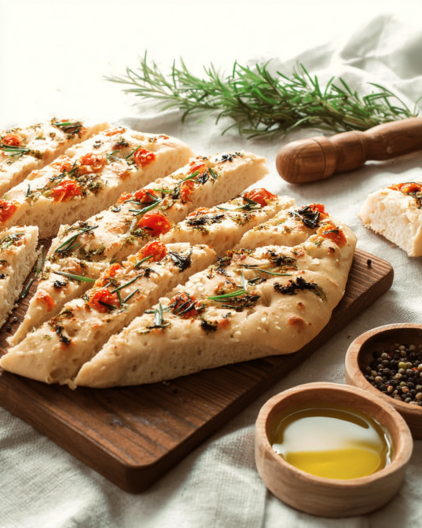
The first time I made Italian focaccia, I was mostly chasing the smell.
You know that warm, olive-oil-and-herbs smell that drifts out of a bakery and makes you slow down without realizing it? That one.
I had bought a slice from a tiny corner shop once, still warm, with rosemary pressed into the top and flaky salt sparkling like it knew it was special.
I came home thinking, surely I can make this.
Turns out… yes. And honestly, it’s one of the most forgiving breads you can bake.
There’s no need for perfection here. Focaccia actually loves messy fingers, extra olive oil, and those deep little dimples you press into the dough like you’re leaving fingerprints on happiness.
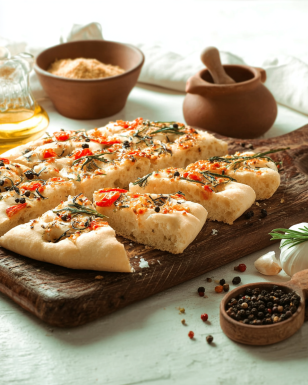
My family now knows the sound of the sheet pan hitting the counter means focaccia day. Everyone suddenly appears in the kitchen pretending they were “just passing by.”
It’s soft inside, golden outside, and somehow tastes like comfort and celebration at the same time.
If you’ve been looking for the best herbed focaccia bread from scratch, this is the one I keep coming back to.
Recipe Resume (Selling Points)
Golden crispy edges.
Soft fluffy center.
Rich olive oil flavor.
Beginner-friendly bread.
Beautiful bakery texture.
Perfect for sandwiches.
Amazing with soup.
Honestly impossible to stop tearing pieces off.
Why This Italian Focaccia Recipe Is The Only One You’ll Ever Need
The first time I served this at dinner, I planned it as the side dish.
That was adorable.
Everyone filled up on the bread first.
My brother kept saying he was “just testing one more corner,” and somehow half the tray disappeared before the pasta even arrived.
That’s when I knew this soft and fluffy Italian focaccia recipe was staying.
It’s simple, reliable, and tastes like something much fancier than the effort it asks for. Just flour, yeast, olive oil, and a little patience.
Cuisine: Italian
What You Really Need to Make This Amazing Italian Focaccia Recipe (Simplified)
For the Dough
- 4 cups all-purpose flour
- 2 1/4 tsp instant yeast
- 2 tsp salt
- 1 3/4 cups warm water
- 1/4 cup olive oil
For the Topping
- 3 tbsp olive oil
- 2 tsp fresh rosemary
- 1 tsp dried oregano
- Flaky sea salt
- Optional: cherry tomatoes, olives, garlic slices
How to Master the Perfect Italian Focaccia (My Secret Method)
Start by mixing warm water, yeast, and a little patience.
Add flour, salt, and olive oil, then stir until it becomes a sticky, shaggy dough. Don’t panic—focaccia dough is supposed to look a little dramatic.
Cover it and let it rise until doubled. This is where the magic starts.
Grease your baking pan generously. No timid olive oil behavior here.
Transfer the dough gently into the pan and stretch it toward the corners. If it resists, let it rest for ten minutes and try again. Dough can be stubborn.
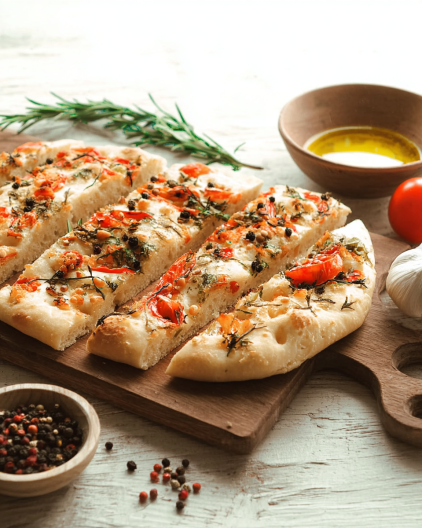
Now the fun part—press your fingers all over the top to make those signature dimples.
Drizzle more olive oil, scatter rosemary, oregano, and flaky salt.
Bake until golden and the kitchen smells like an Italian bakery decided to move in.
Cool slightly.
Then tear into it while it’s still warm, because waiting is unrealistic.
Chef’s Notes and Tips For A Flawless Italian Focaccia Recipe
Use good olive oil here—it matters. Since focaccia is simple, every ingredient gets noticed. A rich, fruity olive oil makes a huge difference.
Also, don’t rush the rise. Slow rising gives better flavor and that airy bakery-style texture everyone wants.
Wet hands help when handling sticky dough. I learned this after fighting dough with dry hands like it was a personal enemy.
And please don’t skip the dimples. They hold the olive oil, herbs, and all the good flavor pockets.
Get Creative! Easy Substitutions and Fun Variations
Rosemary is classic, but thyme, basil, or even sage work beautifully.
Cherry tomatoes and olives make it feel extra special and look gorgeous straight from the oven.
You can sprinkle parmesan on top for a richer finish or add thin onion slices for a sweeter bite.
For sandwich lovers, slice focaccia horizontally and fill it like the best bread-based decision of your week.
Lighten It Up! Simple Swaps for a Healthier Italian Focaccia Recipe
You can swap part of the all-purpose flour with whole wheat flour for extra fiber. I usually go half-and-half so it stays soft.
Reduce the topping oil slightly if you want a lighter version, though I’ll admit that feels emotionally difficult.
Use less salt and load up on fresh herbs for flavor without heaviness.
Vegetable toppings like tomatoes, zucchini, or onions also add freshness without changing the soul of the bread.
And there you have it! A golden tray of warm, fluffy, deeply satisfying bread that somehow makes any meal feel special.
This easy homemade Italian focaccia bread recipe is simple enough for a weekday and impressive enough for guests.
Don’t forget to let us know how your dish turns out, and definitely check out some of our other Recipes!
Are You Curious About Anything Else? Take a Look at the Most Frequently Asked Questions We Get About This Recipe
1. Why is my focaccia not fluffy?
Usually it needs more rising time. A soft and fluffy Italian focaccia recipe depends heavily on proper proofing.
Too much flour can also make it dense, so keep the dough slightly sticky.
2. Can I make focaccia dough overnight?
Yes, and honestly, it’s better. A slow overnight rise in the fridge creates deeper flavor and better texture.
It also makes you feel very organized, which is a nice bonus.
3. What flour works best for focaccia?
All-purpose flour works beautifully for an easy homemade Italian focaccia bread recipe.
Bread flour gives a slightly chewier texture if that’s your preference.
4. Can I freeze focaccia?
Absolutely. Slice it first, then freeze in airtight bags.
Reheat in the oven for the best texture—microwaving makes it a little sad.
5. Why is olive oil so important in focaccia?
It creates flavor, moisture, and that beautiful golden crust.
Traditional olive oil focaccia bread recipe magic really depends on it.
6. Can I use active dry yeast instead of instant yeast?
Yes, just bloom it first in warm water for a few minutes before mixing.
Instant yeast is faster, but both work well.
7. Should focaccia be crispy or soft?
Both! The edges should be golden and slightly crisp, while the inside stays soft and airy.
That contrast is what makes bakery-style focaccia at home so addictive.
8. What do you serve with focaccia?
Soup, pasta, salads, cheese boards—or honestly just olive oil for dipping.
Sometimes I call that dinner and move on with my life.
Italian Focaccia (Herbed Bread)
4
servings30
minutes40
minutes300
kcalIngredients
For the Dough
4 cups all-purpose flour
2 1/4 tsp instant yeast
2 tsp salt
1 3/4 cups warm water
1/4 cup olive oil
For the Topping
3 tbsp olive oil
2 tsp fresh rosemary
1 tsp dried oregano
Flaky sea salt
Optional: cherry tomatoes, olives, garlic slices
Directions
- Start by mixing warm water, yeast, and a little patience.
- Add flour, salt, and olive oil, then stir until it becomes a sticky, shaggy dough. Don’t panic—focaccia dough is supposed to look a little dramatic.
- Cover it and let it rise until doubled. This is where the magic starts.
- Grease your baking pan generously. No timid olive oil behavior here.
- Transfer the dough gently into the pan and stretch it toward the corners. If it resists, let it rest for ten minutes and try again. Dough can be stubborn.
- Now the fun part—press your fingers all over the top to make those signature dimples.
- Drizzle more olive oil, scatter rosemary, oregano, and flaky salt.
- Bake until golden and the kitchen smells like an Italian bakery decided to move in.
- Cool slightly.
- Then tear into it while it’s still warm, because waiting is unrealistic.
