
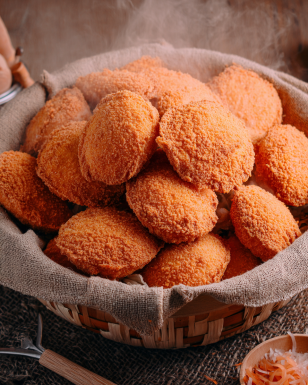
The first time I tried Brazilian Acarajé, I was not prepared.
I expected “just a fritter.” You know—something small, crunchy, nice enough. I was wildly underestimating the situation.
The first bite was warm, crisp, fluffy inside, rich with black-eyed peas and onions, and somehow both comforting and exciting at once. Then came the fillings and spicy flavors, and suddenly I understood why people talk about it with so much love.
This isn’t just food. It’s a whole experience.
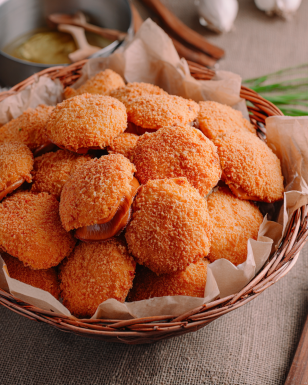
Acarajé has that kind of energy—street food that feels like celebration. Loud, joyful, unforgettable.
The smell alone is enough to make you stop walking. Hot oil, onions, fresh herbs, and something delicious happening that you immediately want to be part of.
The first time I made this authentic Brazilian acarajé recipe at home, my kitchen looked like a very confident mess. Flour somewhere. Oil drama. My husband volunteering exactly zero useful help.
But the second those golden fritters hit the plate? Total silence.
That’s how I knew this recipe was staying forever.
Quick Recipe Resume
Golden and beautifully crispy.
Soft, fluffy center every time.
Packed with bold Brazilian flavor.
Perfect for sharing—or not sharing.
Budget-friendly ingredients.
Naturally gluten-free.
Street food magic at home.
Absolutely unforgettable.
Why This Brazilian Acarajé Is The Only One You’ll Ever Need
Cuisine: Brazilian (Bahian)
I made this easy black eyed pea fritters Brazilian style recipe for a weekend dinner when I wanted something different from the usual routine.
My sister walked in, took one look, and asked, “Why does your kitchen smell like a festival?”
Honestly? Best compliment possible.
Acarajé works because it feels generous. Crispy outside, creamy fillings, spicy sauces—it’s layered, messy, and deeply satisfying.
This traditional acarajé recipe from Bahia brings all that joy without needing a plane ticket.
Though honestly, I wouldn’t mind the plane ticket too.
What You Really Need to Make This Amazing Brazilian Acarajé (Simplified)
- 2 cups dried black-eyed peas
- 1 small onion
- 2 garlic cloves
- salt to taste
- vegetable oil for frying
Optional Fillings
- shrimp
- vatapá (creamy bread and peanut filling)
- fresh salsa
- hot sauce
- chopped tomatoes
- cilantro
How to Master the Perfect Brazilian Acarajé (My Secret Method)
Start by soaking the black-eyed peas overnight. Yes, overnight. Acarajé rewards patience.
The next day, rub the beans gently to loosen the skins, then rinse and remove as many skins as possible. It’s a little messy and strangely satisfying.
Blend the peeled beans with onion, garlic, and salt until thick and smooth. Not watery—think fluffy paste.
Now beat that mixture a little more. This helps create the airy texture that makes the best crispy black eyed pea fritters recipe truly special.
Heat oil in a deep pan until hot but not aggressive.
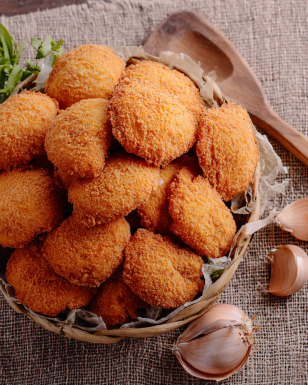
Using a spoon, drop portions of the batter into the oil and fry until deeply golden and puffed. Turn carefully and let them become gloriously crisp.
Drain, slice open gently, and fill with shrimp, vatapá, or your favorite toppings.
This is how to make Brazilian acarajé at home that tastes like something worth remembering.
Chef’s Notes and Tips For A Flawless Acarajé
Removing the skins matters more than people think. It helps the fritters stay lighter and smoother instead of dense and heavy.
Also, don’t rush the beating step. Aerating the batter creates that signature fluffy inside. It feels like extra work because it is—but it’s worth it.
Keep your oil hot and steady. Too cool, and the fritters become oily. Too hot, and they brown before cooking through.
Basically: confidence and patience. Also paper towels.
Get Creative! Easy Substitutions and Fun Variations
Can’t find dried black-eyed peas? Frozen won’t work as well, but canned can help in emergencies with some texture compromise.
Skip shrimp for a vegetarian version and use spicy tomato salad or avocado filling instead.
Some people add extra herbs or chili directly into the batter for more personality, and honestly, I respect that deeply.
Acarajé is meant to be joyful, not stressful.
Lighten It Up! Simple Swaps for a Healthier Acarajé
Air frying won’t create true traditional texture, but shallow frying can reduce oil while still keeping a crisp finish.
Use lighter fresh fillings like tomato salsa, herbs, and grilled vegetables instead of heavier creamy fillings.
Because black-eyed peas are already rich in protein and fiber, this dish starts with a strong healthy foundation.
So yes—delicious and surprisingly balanced.
And there you have it!
A crispy, bold, unforgettable authentic Brazilian acarajé recipe that brings street food magic right into your kitchen.
Don’t forget to let us know how your dish turns out, and definitely check out some of our other globally inspired comfort recipes.
Are You Curious About Anything Else? Take a Look at the Most Frequently Asked Questions We Get About This Recipe
1. Do I really need to remove the skins from black-eyed peas?
Yes—if you want the best texture.
For an authentic Brazilian acarajé recipe, removing the skins helps create a lighter, smoother fritter with that classic airy inside. Leaving them on makes the batter heavier and rougher.
It takes effort, but it makes a real difference.
2. Can I use canned black-eyed peas?
Technically yes, but dried is much better.
Traditional acarajé recipe from Bahia relies on soaked dried beans for the right texture and flavor. Canned beans are softer and can make the batter too wet.
If possible, dried beans are the better path.
3. What is usually served inside acarajé?
Traditionally, shrimp and vatapá are common fillings.
Vatapá is a rich, creamy mixture made with bread, peanuts, coconut milk, and spices. It gives acarajé its iconic richness and street-food personality.
Fresh salsa and hot sauce are also wonderful additions.
4. Why is my acarajé too dense?
Usually the batter needed more air.
For easy black eyed pea fritters Brazilian style, beating the mixture well is important. This creates the fluffy interior instead of a heavy center.
Also check that the beans were peeled properly.
5. Can I make acarajé without shrimp?
Absolutely.
Vegetarian versions are common and still delicious. Tomato salsa, spicy vegetables, avocado, or even lightly sautéed peppers work beautifully.
The fritter itself carries so much flavor already.
6. Is acarajé spicy?
It can be, but it depends on the fillings.
The fritter itself is usually mild, while the heat often comes from sauces and toppings. This makes how to make Brazilian acarajé at home very flexible depending on your taste.
You control the fire level.
7. Can I freeze acarajé?
Yes, especially the fried fritters.
Cool them completely, freeze well, and reheat in the oven for better texture. Fresh is best, but frozen leftovers still work surprisingly well.
Just wait to add fillings until serving.
8. Is acarajé gluten-free?
The fritter itself usually is.
Since it’s made from black-eyed peas rather than flour, it’s naturally gluten-free. Just be careful with fillings like vatapá, which may include bread depending on the recipe.
Always check ingredients if serving for dietary needs.
Brazilian Acarajé (Black-Eyed Pea Fritters)
4
servings30
minutes40
minutes300
kcalIngredients
2 cups dried black-eyed peas
1 small onion
2 garlic cloves
salt to taste
vegetable oil for frying
Optional Fillings
shrimp
vatapá (creamy bread and peanut filling)
fresh salsa
hot sauce
chopped tomatoes
cilantro
Directions
- Start by soaking the black-eyed peas overnight. Yes, overnight. Acarajé rewards patience.
- The next day, rub the beans gently to loosen the skins, then rinse and remove as many skins as possible. It’s a little messy and strangely satisfying.
- Blend the peeled beans with onion, garlic, and salt until thick and smooth. Not watery—think fluffy paste.
- Now beat that mixture a little more. This helps create the airy texture that makes the best crispy black eyed pea fritters recipe truly special.
- Heat oil in a deep pan until hot but not aggressive.
- Using a spoon, drop portions of the batter into the oil and fry until deeply golden and puffed. Turn carefully and let them become gloriously crisp.
- Drain, slice open gently, and fill with shrimp, vatapá, or your favorite toppings.
- This is how to make Brazilian acarajé at home that tastes like something worth remembering.
