
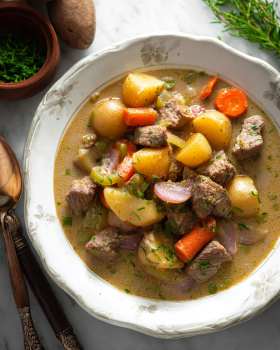
There are some meals that instantly make a house feel like home. For me, Pork Stew sits right at the top of that list.
Whenever a pot of stew is simmering on the stove, something changes. The kitchen becomes warmer, conversations seem to last longer, and everyone suddenly finds a reason to wander in and ask what’s cooking.
The first time I made this recipe was on a chilly weekend when I wanted something comforting but a little different from the usual beef stew.
I had a pork shoulder waiting in the refrigerator and a basket of potatoes that needed a purpose.
A few hours later, the entire house smelled incredible.
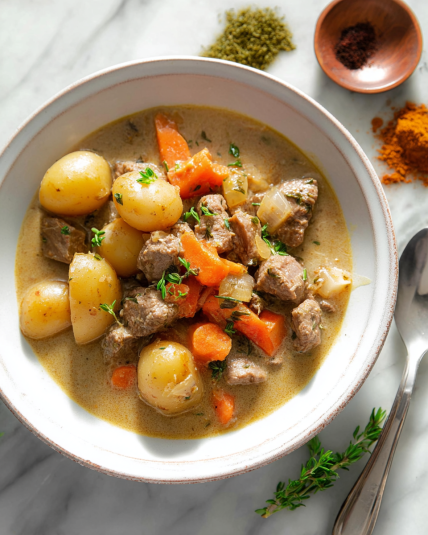
The rich aroma of slowly cooked pork, onions, garlic, and herbs drifted through every room. Even before dinner was ready, people were peeking under the lid.
What surprised me most was how tender the pork became. It practically fell apart with a spoon.
Since then, this easy pork stew recipe has become one of our favorite cold-weather traditions and one of the most requested dinners in my house.
Recipe Resume (Selling Points)
One-pot simplicity.
Rich, comforting flavor.
Budget-friendly ingredients.
Perfect for meal prep.
Tender, fall-apart pork.
Family-approved favorite.
Freezer-friendly.
Even better the next day.
Why This Pork Stew Is The Only One You’ll Ever Need
A few winters ago, I made this homemade pork stew recipe after a long day of cleaning out the garage.
Nobody wanted anything fancy.
We just wanted something warm.
I remember setting the pot on the table and hearing complete silence for the first few minutes of dinner. Around here, that’s usually the highest compliment possible.
Even my husband, who rarely comments on dinner beyond “it’s good,” looked up and asked if I’d written the recipe down somewhere.
The combination of tender pork, soft vegetables, and rich broth creates the kind of meal people remember.
Cuisine: American Comfort Food
What You Really Need to Make This Amazing Pork Stew (Simplified)
- 2 lbs pork shoulder, cubed
- 2 tablespoons olive oil
- 1 large onion, diced
- 3 garlic cloves, minced
- 4 medium potatoes, cubed
- 3 carrots, sliced
- 2 celery stalks, chopped
- 4 cups chicken broth
- 1 tablespoon tomato paste
- 1 teaspoon dried thyme
- 1 teaspoon paprika
- 1 teaspoon salt
- ½ teaspoon black pepper
- 1 bay leaf
- Fresh parsley for garnish
How to Master the Perfect Pork Stew (My Secret Method)
Start by heating olive oil in a large Dutch oven or heavy pot.
Add the pork in batches and let it develop a deep golden crust. Don’t rush this step. Those browned bits create incredible flavor later.
Once the pork is browned, remove it temporarily and add the onions, carrots, and celery.
Cook until the vegetables soften and begin to smell sweet and fragrant.
Add the garlic and tomato paste, stirring for a minute or two.
Return the pork to the pot and pour in the broth.
Add the potatoes, thyme, paprika, bay leaf, salt, and pepper.
Bring everything to a gentle simmer.
Now comes the hardest part: waiting.
Cover and cook slowly until the pork becomes fork-tender and the broth transforms into a rich, flavorful stew.
Finish with fresh parsley and serve warm.
Chef’s Notes and Tips For A Flawless Pork Stew
Pork shoulder is the best choice for old fashioned pork stew with potatoes because it contains enough fat and connective tissue to become incredibly tender during slow cooking.
Avoid boiling the stew aggressively. A gentle simmer helps the pork break down gradually while keeping the meat juicy and flavorful.
Get Creative! Easy Substitutions and Fun Variations
Sweet potatoes can replace regular potatoes for a slightly sweeter flavor profile.
You can also add mushrooms, green beans, peas, or parsnips. Some cooks enjoy incorporating a splash of apple cider for extra depth and subtle sweetness.
Lighten It Up! Simple Swaps for a Healthier Pork Stew
Trim excess fat from the pork before cooking and increase the vegetable content for a lighter version.
You can also use low-sodium broth and add extra celery, carrots, and mushrooms to boost nutrition while maintaining the stew’s hearty character.
Are You Curious About Anything Else? Take a Look at the Most Frequently Asked Questions We Get About This Recipe
1. What cut of pork is best for pork stew?
Pork shoulder is widely considered the best option for a homemade pork stew recipe because it becomes exceptionally tender during long cooking times.
Unlike leaner cuts, pork shoulder contains enough marbling to remain juicy and flavorful throughout the cooking process. As the connective tissue breaks down, it helps create a richer broth and a more satisfying stew.
Many experienced home cooks choose pork shoulder specifically because it delivers consistent results and incredible texture.
2. Can I make pork stew ahead of time?
Absolutely. In fact, hearty pork stew for dinner often tastes even better the following day.
As the stew rests overnight, the flavors continue to develop and blend together. The broth becomes richer, and the seasonings have more time to penetrate the ingredients.
Many people intentionally prepare pork stew a day ahead for this very reason.
3. How do I make pork stew thicker?
One of the easiest methods is to mash a few cooked potatoes directly into the broth near the end of cooking.
This naturally thickens the stew without requiring additional ingredients. Alternatively, a cornstarch slurry can be stirred in during the final few minutes.
Both methods work well depending on your preferred consistency.
4. Can I freeze pork stew?
Yes, pork stew freezes exceptionally well.
Allow the stew to cool completely before transferring it to airtight containers. Properly stored, it can remain frozen for several months while maintaining excellent flavor and texture.
Many people make double batches specifically for future meals.
5. Can I cook pork stew in a slow cooker?
Absolutely. A slow cooker works beautifully for an easy pork stew recipe.
Brown the pork first for maximum flavor, then transfer everything to the slow cooker and cook on low for 7-8 hours or high for 4-5 hours.
The slow cooking process creates exceptionally tender meat.
6. Why is my pork tough?
Tough pork usually means it hasn’t cooked long enough.
While it may seem counterintuitive, pork shoulder often needs additional time for the connective tissues to fully break down. Once that happens, the meat becomes tender and easy to shred.
Patience is one of the most important ingredients in tender pork stew in Dutch oven recipes.
7. What should I serve with pork stew?
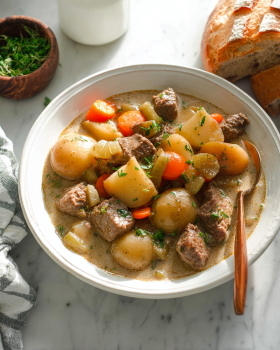
Crusty bread is perhaps the most popular companion because it’s perfect for soaking up the flavorful broth.
Simple green salads, roasted vegetables, or buttery biscuits also pair wonderfully with old fashioned pork stew with potatoes.
The goal is to complement the stew without overwhelming it.
8. How long will leftover pork stew last?
Stored properly in an airtight container, leftover stew generally remains fresh for three to four days in the refrigerator.
Many people find the flavor improves after a day or two, making leftovers one of the best parts of the entire recipe.
Simply reheat gently before serving.
Closing
And there you have it! A rich, hearty Pork Stew that’s loaded with tender meat, comforting vegetables, and slow-simmered flavor in every spoonful.
Don’t forget to let us know how your dish turns out, and consider checking out some of our other Recipes. Happy cooking!
Pork Stew
4
servings30
minutes40
minutes300
kcalIngredients
2 lbs pork shoulder, cubed
2 tablespoons olive oil
1 large onion, diced
3 garlic cloves, minced
4 medium potatoes, cubed
3 carrots, sliced
2 celery stalks, chopped
4 cups chicken broth
1 tablespoon tomato paste
1 teaspoon dried thyme
1 teaspoon paprika
1 teaspoon salt
½ teaspoon black pepper
1 bay leaf
Fresh parsley for garnish
Directions
- Start by heating olive oil in a large Dutch oven or heavy pot.
- Add the pork in batches and let it develop a deep golden crust. Don’t rush this step. Those browned bits create incredible flavor later.
- Once the pork is browned, remove it temporarily and add the onions, carrots, and celery.
- Cook until the vegetables soften and begin to smell sweet and fragrant.
- Add the garlic and tomato paste, stirring for a minute or two.
- Return the pork to the pot and pour in the broth.
- Add the potatoes, thyme, paprika, bay leaf, salt, and pepper.
- Bring everything to a gentle simmer.
- Now comes the hardest part: waiting.
- Cover and cook slowly until the pork becomes fork-tender and the broth transforms into a rich, flavorful stew.
- Finish with fresh parsley and serve warm.
