
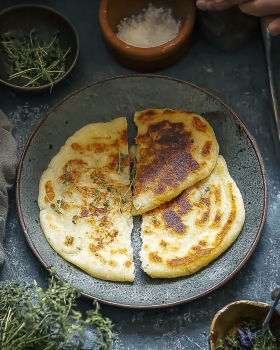
There’s something quietly magical about potatoes in the morning. Not flashy, not complicated—just honest, comforting food that feels like a warm start to the day.
The first time I made this easy Irish potato farls recipe for breakfast, it wasn’t for a special occasion. It was one of those slow mornings where you open the fridge, see leftover mashed potatoes, and think… there has to be something better than reheating them.
I remembered reading about traditional Irish potato farls step by step years ago, tucked somewhere between recipes that felt a bit too serious at the time. But that morning, it clicked.
As I mixed the dough, it felt almost too simple. Potatoes, flour, a pinch of salt. That’s it? I kept thinking I’d missed something.
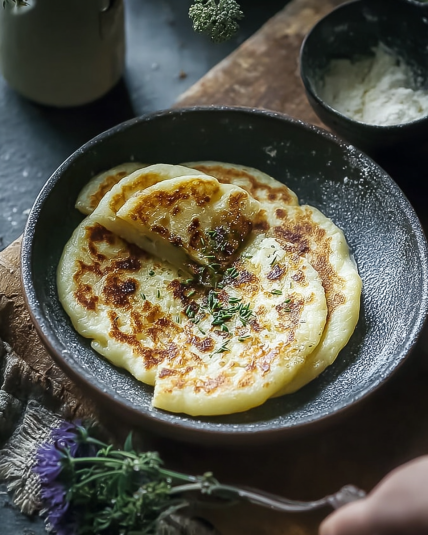
But then the pan heated up, and the farls hit the surface with that soft sizzle. The smell—oh, that smell—earthy, buttery, just slightly toasted.
When I flipped the first one, golden patches appeared like little promises. Crisp edges, soft inside. I knew I was onto something.
Now it’s become one of those recipes I reach for when I want comfort without fuss. Something grounding. Something real.
And honestly? It feels like a quiet little connection to tradition, even in a modern kitchen.
Recipe Resume (Selling Points)
Uses simple pantry staples.
Perfect for leftover mashed potatoes.
Crispy outside, fluffy inside.
Ready in under 30 minutes.
No fancy equipment needed.
Pairs with sweet or savory.
Great for beginners.
Authentic comfort in every bite.
Why This Irish Potato Farls Recipe Is The Only One You’ll Ever Need
The first time I made these for my family, I didn’t say much—I just set them down next to eggs and tea and waited.
My partner took a bite, paused, then said, “Why haven’t we been making these forever?” And honestly… I didn’t have a good answer.
Now they’ve become a weekend thing. Not every weekend, but often enough that it feels like a tradition sneaking in quietly.
They’re not perfect circles. Sometimes they break a little. But that’s part of it—it feels handmade, real, a little messy in the best way.
Cuisine: Irish
What You Really Need to Make This Amazing Irish Potato Farls (Simplified)
- 2 cups mashed potatoes (cooled)
- 1/2 to 3/4 cup all-purpose flour
- 1/2 tsp salt
- 2 tbsp butter (melted or softened)
- Extra flour (for dusting)
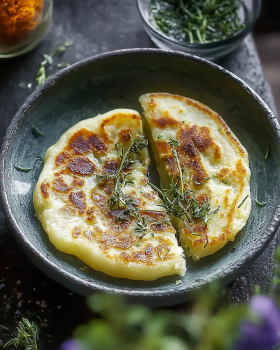
How to Master the Perfect Irish Potato Farls (My Secret Method)
Start with your mashed potatoes—cold is best. Warm potatoes can make the dough sticky, and trust me, that gets frustrating fast.
In a bowl, mix the potatoes with salt and butter. Then slowly add flour, a little at a time, until the dough comes together. You’re not looking for perfection—just something soft but manageable.
Turn it out onto a floured surface. Gently pat it into a round disk, about the thickness of your finger. Don’t overwork it—this isn’t bread dough.
Cut it into quarters—that’s your classic farl shape. Rustic, simple, no need to fuss.
Heat a pan over medium heat. No rush here. Place the farls in and let them cook slowly. You’ll know it’s time to flip when the bottom turns golden and slightly crisp.
Flip, cook the other side, and just like that—you’ve got something beautiful.
Chef’s Notes and Tips For A Flawless Irish Potato Farls
The biggest mistake? Too much flour. It’s tempting when the dough feels sticky, but adding too much makes the farls dense instead of soft. Work with lightly floured hands instead—it helps without changing the texture.
Also, don’t rush the cooking. Medium heat is your friend. Too hot, and they burn before cooking through; too low, and they dry out. You’re aiming for that gentle golden crust.
If your mashed potatoes already have butter or milk, adjust accordingly. This recipe is flexible—but small tweaks make a big difference.
Get Creative! Easy Substitutions and Fun Variations
You can mix in chopped herbs like parsley or chives for a fresh twist.
For a richer version, add a bit of grated cheese into the dough—unexpected, but really good.
Some people even use sweet potatoes instead of regular ones. It changes the flavor completely, but it works beautifully.
And if you’re feeling adventurous, try serving them with honey or jam. It’s not traditional—but it’s delicious.
Lighten It Up! Simple Swaps for a Healthier Irish Potato Farls
Swap part of the flour with whole wheat flour for added fiber.
Reduce butter slightly if your mashed potatoes already contain fat.
You can also pan-cook them in a non-stick skillet with minimal oil instead of butter—they still crisp up nicely.
Closing
And there you have it! Simple, comforting, and surprisingly satisfying. Don’t forget to let us know how your dish turns out, and consider checking out some of our other Recipes.
Are You Curious About Anything Else? Take a Look at the Most Frequently Asked Questions We Get About This Recipe:
1. What are traditional Irish potato farls and how are they different from other potato breads?
Traditional Irish potato farls step by step are a simple form of potato bread made primarily from mashed potatoes, flour, and salt. What makes them unique is their shape—typically round and cut into quarters—and their cooking method, which is done on a griddle or pan rather than baked.
Unlike other potato breads that may include yeast or more complex ingredients, farls are quick and rustic. They rely on the natural texture of potatoes for structure, which gives them that soft interior and slightly crisp exterior.
They’re also closely tied to the full Irish breakfast, making them more than just food—they’re part of a cultural experience.
2. Can I use leftover mashed potatoes for this easy Irish potato farls recipe for breakfast?
Yes, and in fact, it’s highly recommended. Leftover mashed potatoes are perfect because they’re already cooled and slightly firm, making the dough easier to handle.
Just be mindful of what’s already in your mash. If it contains butter, cream, or seasoning, you may need to adjust the recipe slightly to avoid overly rich or salty farls.
Using leftovers not only saves time but also reduces waste—making this recipe both practical and satisfying.
3. Why are my potato farls too sticky to work with?
Sticky dough usually means there’s too much moisture in your potatoes or not enough flour. But instead of dumping in more flour (which can make them heavy), try chilling the dough slightly.
Dusting your hands and work surface with flour also helps manage stickiness without changing the dough too much.
It’s a balance—soft enough to stay tender, but firm enough to handle. Once you get the feel, it becomes second nature.
4. How do I get crispy potato farls for a full Irish breakfast?
The key to crispy potato farls for a full Irish breakfast is heat control. A medium, steady heat allows the outside to crisp up while the inside warms through.
Using a bit of butter or oil in the pan also helps create that golden crust. Don’t overcrowd the pan—give each farl space to cook properly.
And most importantly, resist flipping too soon. Let that crust develop—it’s worth the wait.
5. Can I freeze homemade potato farls?
Yes, potato farls freeze very well. Once cooked and cooled, place them in a single layer to freeze, then transfer to a bag or container.
When ready to eat, reheat them in a pan or toaster for best results. This brings back their texture better than microwaving.
They’re perfect for batch cooking—make once, enjoy all week.
6. What can I serve with Irish potato farls?
Traditionally, they’re served with eggs, bacon, sausages, and sometimes baked beans as part of a full Irish breakfast.
But they’re incredibly versatile. You can serve them with smoked salmon, avocado, or even as a base for sandwiches.
Sweet options work too—jam, honey, or butter turn them into a simple, comforting treat.
7. Can I make this simple Irish breakfast potato bread recipe gluten-free?
Yes, you can substitute all-purpose flour with a gluten-free flour blend. Just choose one designed for baking to maintain structure.
You may need to adjust the amount slightly, as gluten-free flours absorb moisture differently.
The result will be slightly more delicate, but still delicious and worth trying.
8. How do I know when my potato farls are fully cooked?
You’ll know they’re ready when both sides are golden brown and the edges feel slightly crisp. The inside should be warm and soft, not doughy.
If you’re unsure, gently press the center—it should spring back slightly.
Cooking time usually takes a few minutes per side, but trust your senses more than the clock.
Ultimate Irish Potato Farls: Easy Comfort for Your Breakfast
4
servings30
minutes40
minutes300
kcalIngredients
2 cups mashed potatoes (cooled)
1/2 to 3/4 cup all-purpose flour
1/2 tsp salt
2 tbsp butter (melted or softened)
Extra flour (for dusting)
Directions
- Start with your mashed potatoes—cold is best. Warm potatoes can make the dough sticky, and trust me, that gets frustrating fast.
- In a bowl, mix the potatoes with salt and butter. Then slowly add flour, a little at a time, until the dough comes together. You’re not looking for perfection—just something soft but manageable.
- Turn it out onto a floured surface. Gently pat it into a round disk, about the thickness of your finger. Don’t overwork it—this isn’t bread dough.
- Cut it into quarters—that’s your classic farl shape. Rustic, simple, no need to fuss.
- Heat a pan over medium heat. No rush here. Place the farls in and let them cook slowly. You’ll know it’s time to flip when the bottom turns golden and slightly crisp.
- Flip, cook the other side, and just like that—you’ve got something beautiful.
