
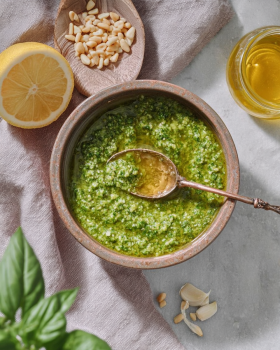
Some recipes ruin grocery shopping forever.
This basil pesto recipe did exactly that.
Because once you make fresh basil pesto sauce at home, the jarred version starts feeling a little… emotionally distant.
I remember the first time I made it—I had too much basil.
Not a normal amount. A “why did I think I needed this much basil?” amount.
My kitchen smelled like summer and poor impulse control.
I stared at the giant green pile and knew pesto was the only reasonable answer.
So I grabbed garlic, Parmesan, olive oil, pine nuts, and my food processor—the appliance I forget exists until suddenly it becomes the hero of the day.
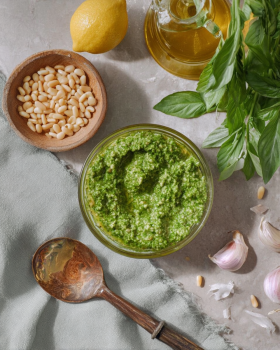
The moment everything blended together was honestly magical.
That bright green color. That fresh, sharp basil aroma. The garlic waking everything up. The Parmesan making it rich. It smelled like an Italian kitchen I absolutely do not own.
And the taste?
Bold, fresh, creamy, salty, herby perfection. The kind of sauce that makes plain pasta feel like a real life decision instead of a backup plan.
Now this easy homemade basil pesto recipe is one of my favorite kitchen shortcuts because it makes everything taste better with almost no effort.
Pasta. Sandwiches. Pizza. Eggs. My standards for lunch.
Everything.
Quick Recipe Resume: Why You Need This Today
Bright fresh flavor.
Better than store-bought.
Ready in minutes.
One blender miracle.
Pasta’s best friend.
Freezer-friendly gold.
Ridiculously versatile.
Makes you feel fancy.
Why This Basil Pesto Recipe Is The Only One You’ll Ever Need
Cuisine: Italian
My husband once watched me spread pesto on toast and said, “You’re treating pesto like a personality trait.”
Honestly? Fair.
The first time I made this classic Italian basil pesto recipe, I thought it would just be “nice sauce.”
Instead, it became one of those recipes that quietly takes over your life.
People ask for it.
You start putting it on everything.
You suddenly have strong opinions about pine nuts.
It happens fast.
I love it because it tastes fresh in a way store-bought never quite manages. It’s simple, but it feels special.
Sometimes I make it for pasta.
Sometimes I eat it standing at the counter with bread like a tiny gremlin.
Both are valid.
What You Really Need to Make This Amazing Basil Pesto Recipe (Simplified)
- 2 cups fresh basil leaves, packed
- 2 cloves garlic
- ⅓ cup pine nuts
- ½ cup grated Parmesan cheese
- ½ cup extra virgin olive oil
- 2 tablespoons lemon juice
- Salt and black pepper
- Optional: extra Parmesan for serving
How to Master the Perfect Basil Pesto Recipe (My Secret Method)
Start by washing and fully drying your basil.
I mean fully. Wet basil turns pesto into sad green soup, and we are aiming higher.
Add basil, garlic, and pine nuts to a food processor.
Pulse first. Don’t immediately go full tornado mode.
Let everything break down slowly so the texture stays balanced.
Add Parmesan and lemon juice next.
Now, with the machine running, slowly drizzle in the olive oil. This is where the magic happens—the sauce turns silky, thick, and gloriously green.
Taste it.
Then probably add more Parmesan because life is short.
Season with salt and pepper carefully, blend one final time, and try not to eat half of it before dinner.
Extremely difficult.
Chef’s Notes and Tips For A Flawless Basil Pesto Recipe
Fresh basil matters more than anything else here. Slightly tired basil makes slightly tired pesto. Use bright, fragrant leaves for the best healthy homemade pesto sauce.
Toast the pine nuts lightly if you want deeper flavor. Just keep an eye on them because they go from golden to betrayal very quickly.
Good olive oil makes a real difference. Since pesto is simple, every ingredient gets noticed.
And always save a little pasta water when serving with pasta—it helps the pesto coat beautifully instead of clumping dramatically.
Get Creative! Easy Substitutions and Fun Variations
No pine nuts? Use walnuts, almonds, or even sunflower seeds.
No Parmesan? Pecorino works beautifully and gives a saltier bite.
You can also add spinach, arugula, kale, or parsley for different flavor layers and a more budget-friendly fresh basil pesto sauce recipe.
Some people add avocado.
I respect the confidence.
Lighten It Up! Simple Swaps for a Healthier Basil Pesto Recipe
For an even lighter healthy homemade pesto sauce, reduce the cheese slightly and use extra lemon juice for brightness.
Swap part of the olive oil for a little reserved pasta water when mixing into dishes.
You can also use nutritional yeast instead of Parmesan for a dairy-free version with surprisingly great flavor.
Still rich. Still fresh. Just slightly less “accidentally ate half the bowl.”
Closing
And there you have it!
A basil pesto recipe that’s fresh, fast, and honestly dangerous because once you start making it homemade, there’s no going back.
It’s bright, bold, creamy, and somehow makes even the simplest meals feel special.
Try it once and I promise—it’ll become one of your forever recipes.
And don’t forget to let us know how your dish turns out, and maybe check out a few more of our favorite easy sauce recipes while you’re here.
Are You Curious About Anything Else? Take a Look at the Most Frequently Asked Questions We Get About This Recipe
1. Can I freeze homemade basil pesto?
Yes, and honestly, you should.
This easy homemade basil pesto recipe freezes beautifully. I like using ice cube trays so I can thaw small portions whenever pasta emergencies happen.
2. Why does my pesto turn brown?
Usually it’s oxidation.
Fresh basil pesto sauce recipe results stay greener when you use lemon juice, cold ingredients, and a thin layer of olive oil on top before storing.
3. Can I make pesto without pine nuts?
Absolutely.
Walnuts, almonds, pistachios, cashews, or sunflower seeds all work well and still create a delicious classic Italian basil pesto recipe.
4. What can I use pesto for besides pasta?
So many things.
Sandwiches, wraps, grilled chicken, roasted vegetables, pizza, eggs, soups, salad dressings—even toast. Pesto is basically edible life improvement.
5. Is basil pesto healthy?
It can be.
Since it uses olive oil, herbs, nuts, and real ingredients, healthy homemade pesto sauce can absolutely fit into balanced meals—especially when used thoughtfully.
6. Can I make pesto without cheese?
Yes.
For dairy-free pesto, simply skip the Parmesan or replace it with nutritional yeast for a savory, cheesy-style flavor.
7. How long does homemade pesto last?
Usually about 4–5 days in the fridge.
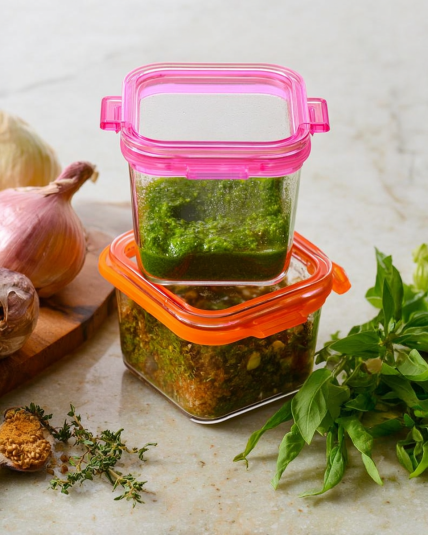
Store it in an airtight container with a thin layer of olive oil on top to help preserve freshness and color.
8. Should pesto be cooked or added after?
Usually after.
Creamy basil pesto for pasta tastes freshest when stirred into warm pasta off the heat rather than fully cooked, which helps protect the bright basil flavor.
Basil Pesto Recipe
4
servings30
minutes40
minutes300
kcalIngredients
2 cups fresh basil leaves, packed
2 cloves garlic
⅓ cup pine nuts
½ cup grated Parmesan cheese
½ cup extra virgin olive oil
2 tablespoons lemon juice
Salt and black pepper
Optional: extra Parmesan for serving
Directions
- Start by washing and fully drying your basil.
- mean fully. Wet basil turns pesto into sad green soup, and we are aiming higher.
- Add basil, garlic, and pine nuts to a food processor.
- Pulse first. Don’t immediately go full tornado mode.
- Let everything break down slowly so the texture stays balanced.
- Add Parmesan and lemon juice next.
- Now, with the machine running, slowly drizzle in the olive oil. This is where the magic happens—the sauce turns silky, thick, and gloriously green.
- Taste it.
- Then probably add more Parmesan because life is short.
- Season with salt and pepper carefully, blend one final time, and try not to eat half of it before dinner.
- Extremely difficult.
