
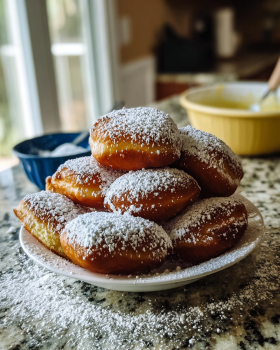
There’s something magical about the smell of warm dough frying in the kitchen. It instantly takes me back to slow mornings where time didn’t matter and sugar dusted everything in sight.
I remember the first time I tried making beignets at home. I was nervous—worried they’d turn out dense or oily. But the moment that first batch puffed up in the oil, I knew I was onto something special.
The scent of vanilla drifting through the air? Completely irresistible. It’s soft, cozy, almost nostalgic in a way I didn’t expect.
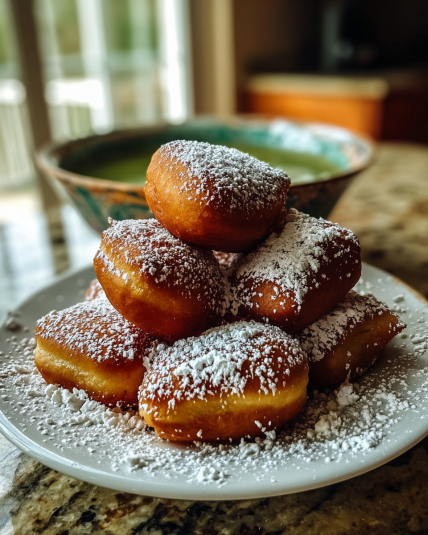
What I love most about this easy vanilla French beignets recipe is how forgiving it is. You don’t need fancy tools or complicated steps—just a little patience and a lot of excitement.
And then comes the powdered sugar. Oh, the powdered sugar. There’s no such thing as too much here.
These beignets are light, pillowy, and just slightly crisp on the outside. Bite into one, and it practically melts.
Honestly, they feel like a tiny celebration. Even on an ordinary day.
And once you make them… you’ll get it.
Recipe Resume (Why You’ll Love It)
Light as air.
Golden and crisp edges.
Soft, fluffy center.
Simple pantry ingredients.
No special equipment needed.
Perfect for breakfast or dessert.
Ready faster than you think.
Guaranteed crowd-pleaser.
Why This Vanilla French Beignets Recipe Is The Only One You’ll Ever Need
Cuisine: French
I made these on a rainy Sunday when everyone at home was half-asleep and slightly grumpy (you know those days). I figured something warm and sweet might fix the mood.
By the second batch, people were literally standing in the kitchen waiting. No plates. No patience. Just hands reaching for hot, sugar-covered beignets.
My sister said, “These taste like a café.” That’s when I knew this recipe was staying forever.
It’s simple, a little messy, and honestly? That’s part of the charm.
What You Really Need to Make This Amazing Vanilla French Beignets (Simplified)
- 2 ½ cups all-purpose flour
- 2 tbsp sugar
- 1 packet active dry yeast
- ¾ cup warm milk
- 1 egg
- 2 tbsp melted butter
- 1 tsp vanilla extract
- Pinch of salt
- Oil for frying
- Powdered sugar (lots!)
How to Master the Perfect Vanilla French Beignets (My Secret Method)
Start by waking up your yeast. Warm milk—not hot, just cozy warm—mixed with sugar and yeast. Let it sit until it looks foamy and alive.
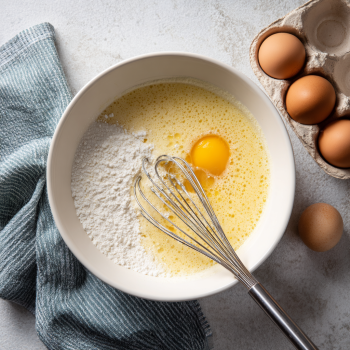
In a bowl, mix your flour and salt. Then pour in the yeast mixture, egg, melted butter, and vanilla. Stir until it becomes a soft dough. Slightly sticky is perfect—don’t panic.
Now comes patience. Cover the dough and let it rise until it doubles. This is where the magic begins.
Once risen, gently roll it out. Not too thin—you want that fluffy center. Cut into little squares or rectangles. Imperfect shapes? Even better.
Heat your oil and carefully drop them in. Watch them puff up—it’s honestly the best part.
Flip when golden. Remove when both sides are beautifully crisp.
And immediately—don’t wait—shower them in powdered sugar.
Eat warm. Always warm.
Chef’s Notes and Tips For A Flawless Vanilla French Beignets
The key to achieving that soft, airy texture in this easy vanilla French beignets recipe is the dough consistency. It should feel slightly sticky but still manageable. Adding too much flour will make them dense, and that’s the one thing you really want to avoid.
Temperature matters more than you think. If your oil is too hot, the outside cooks too fast and the inside stays underdone. Too cool, and they absorb oil. Aim for steady, medium heat and test with one piece first.
Get Creative! Easy Substitutions and Fun Variations
You can swap regular milk for plant-based options like almond or oat milk, and the result is still delicious.
Want a twist? Add a hint of cinnamon or orange zest to the dough—it changes everything in the best way.
You can even fill them with chocolate spread or pastry cream after frying for a more indulgent version.
Lighten It Up! Simple Swaps for a Healthier Vanilla French Beignets
For a lighter version, try air frying instead of deep frying. They won’t be exactly the same, but still surprisingly good.
You can reduce sugar in the dough and rely more on the powdered sugar topping.
Using whole wheat flour (partially) adds fiber, though it will slightly change the texture—still tasty, just a bit heartier.
Closing
And there you have it! Warm, fluffy, sweet little pillows of joy. Don’t forget to let us know how your dish turns out, and definitely check out some of our other Recipes—you might just find your next favorite.
Are You Curious About Anything Else? Take a Look at the Most Frequently Asked Questions We Get About This Recipe:
1. What makes this easy vanilla French beignets recipe so fluffy?
The secret lies in the yeast and proper proofing. When you allow the dough enough time to rise, it develops air pockets that create that signature light texture. Rushing this step often leads to dense results, so patience is key.
Another important factor is not overworking the dough. Gentle handling keeps the structure intact, helping you achieve that soft, airy bite every time.
2. Can I make homemade beignets without yeast?
Technically yes, but they won’t be the same. Yeast is what gives traditional beignets their signature puff and softness.
If you skip yeast, you’re essentially making a different kind of fried dough—still good, but not quite the classic French experience.
3. How do I store leftover beignets?
Beignets are best fresh, no question. However, you can store leftovers in an airtight container for up to a day.
To revive them, warm them slightly in the oven. Avoid microwaving too long, as it can make them chewy instead of soft.
4. Can I freeze beignet dough?
Yes, and it works well. After the first rise, you can freeze the dough and thaw it in the fridge overnight.
Once thawed, let it come to room temperature and puff slightly before frying. This keeps the texture close to freshly made dough.
5. Why are my beignets greasy?
Usually, it’s an oil temperature issue. If the oil isn’t hot enough, the dough absorbs more oil instead of quickly crisping.
Maintaining a steady frying temperature is essential for achieving that golden, non-greasy finish.
6. What oil is best for frying beignets?
Neutral oils like vegetable or canola oil work best for this easy vanilla French beignets recipe.
They allow the vanilla flavor to shine without adding any unwanted taste.
7. Can I make beignets ahead of time?
You can prepare the dough ahead and refrigerate it overnight. This actually enhances flavor slightly.
Fry them fresh the next day for the best texture and taste.
8. How do I get perfectly shaped beignets?
Honestly? You don’t have to. Slightly uneven shapes are part of their charm.
If you want uniformity, use a ruler and cutter—but rustic, imperfect beignets often look and feel more authentic.
Vanilla French Beignets: Discover These Light Delights!
u0026
servings300
kcal