
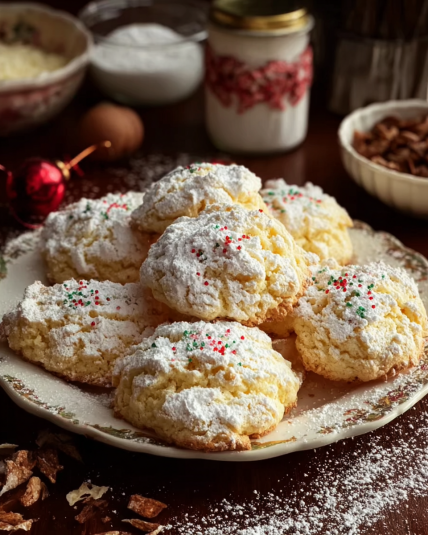
Every December, there’s a very specific smell that tells me Christmas has officially arrived. It’s not pine or candles—it’s butter, sugar, and a faint whisper of anise drifting from the kitchen.
I didn’t grow up Italian, but I married into an Italian family, and let me tell you… Christmas cookies are taken seriously. Like, plastic tablecloths covered edge-to-edge with cookies seriously.
The first time I tasted traditional Italian Christmas cookies, I didn’t get it right away. They weren’t loud or flashy. They were soft, simple, almost shy. And then—oh—then the flavor settled in.
These cookies are subtle, tender, and comforting. They don’t shout. They sit with you. They’re the kind you eat while standing at the counter, reaching for “just one more.”
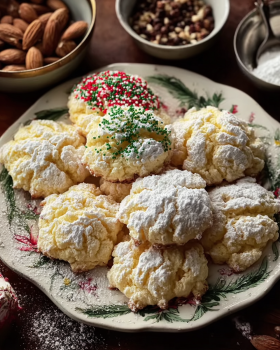
I learned this recipe by watching, not measuring. A little of this. A feel for that. Hands dusted in flour. Stories told while the dough rested.
This is my version now—faithful, unfussy, and deeply nostalgic. The kind of cookie that disappears quietly but leaves a memory behind.
If you’re craving old-fashioned Italian Christmas cookies that feel real and homemade, you’re in the right place.
Recipe Resume – Why You’ll Love These
Soft and tender texture.
Lightly sweet, never overpowering.
Classic Italian holiday flavor.
Perfect for cookie trays.
Great for gifting.
Freezer-friendly dough.
Customizable glaze and sprinkles.
Tradition in every bite.
Why This Traditional Italian Christmas Cookies Recipe Is The Only One You’ll Ever Need
The first year I brought these to Christmas, my mother-in-law paused mid-bite. That pause? Terrifying. Then she nodded. Quietly. Approval achieved.
These are Italian cuisine classics, the kind passed down without written instructions. Simple dough, gentle sweetness, and just enough anise or vanilla to feel unmistakably Italian.
They’ve become non-negotiable in our house—alongside loud conversations, too much coffee, and someone always sneaking cookies before dinner.
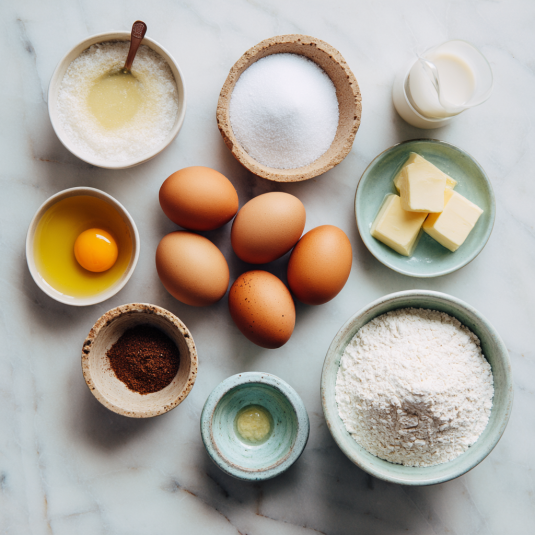
What You Really Need to Make These Amazing Traditional Italian Christmas Cookies (Simplified)
- All-purpose flour
- Granulated sugar
- Eggs
- Unsalted butter or oil
- Baking powder
- Vanilla extract
- Anise extract (optional but traditional)
- Milk (for glaze)
- Powdered sugar
- Festive sprinkles
That’s it. No fancy ingredients. Just pantry staples and holiday spirit.
How to Master the Perfect Traditional Italian Christmas Cookies (My Secret Method)
Start by creaming your sugar and butter until it looks pale and fluffy—don’t rush this. This is where tenderness begins.
Add the eggs one at a time, letting each fully disappear before the next. Stir in vanilla and anise gently. The aroma at this stage? Pure Christmas.
In a separate bowl, whisk flour and baking powder. Slowly bring it all together until the dough is soft, slightly tacky, and forgiving. It should feel like it wants to be shaped.
Roll small ropes, twist them, knot them, or curl them into little circles. No two should look identical—imperfection is tradition.
Bake just until the bottoms are lightly golden. These cookies should stay pale and soft. Let them cool before glazing, patience rewarded.
Chef’s Notes and Tips For A Flawless Traditional Italian Christmas Cookies Recipe
Do not overbake. If they brown on top, they’ve gone too far. These cookies should be tender, almost cakey inside.
Also, go easy on the anise. Traditional Italian Christmas cookies whisper flavor—they don’t shout it.
Get Creative! Easy Substitutions and Fun Variations
Swap anise for lemon or orange extract for a citrus twist. Add almond extract for a bakery-style feel.
Top with colored sanding sugar instead of glaze for less sweetness and more crunch.
Lighten It Up! Simple Swaps for a Healthier Traditional Italian Christmas Cookies Recipe
Use half oil and half applesauce to reduce fat. Try a light glaze drizzle instead of full coating.
For gluten-free, a 1:1 flour substitute works surprisingly well without altering texture too much.
Closing
And there you have it—traditional Italian Christmas cookies that don’t try too hard, because they don’t need to. If you make them, I hope they bring a little warmth to your kitchen and a lot of joy to your table. Don’t forget to explore some of our other holiday favorites while you’re here.
Are You Curious About Anything Else? Take a Look at the Most Frequently Asked Questions We Get About This Recipe:
What makes traditional Italian Christmas cookies different from regular sugar cookies?
Traditional Italian Christmas cookies are much softer and less sweet than classic sugar cookies. Their charm lies in balance, not sugar overload.
They’re meant to be eaten in multiples, alongside coffee or espresso, and they rely more on texture and subtle flavor than decoration.
Do Italian Christmas cookies need anise?
Not necessarily, but anise is what gives many old-fashioned Italian Christmas cookies their signature flavor.
If you’re unsure, start with a small amount or substitute vanilla or citrus extract.
Can I make the dough ahead of time?
Yes, this dough can be refrigerated for up to 48 hours. In fact, chilling it slightly makes shaping easier.
Just let it sit at room temperature for a few minutes before rolling.
Why are my Italian Christmas cookies dry?
Dry cookies usually mean too much flour or overbaking. Measure flour gently and remove cookies while still pale.
They should feel soft when touched—they firm up as they cool.
Can these cookies be frozen?
Absolutely. Freeze unglazed cookies or raw dough shapes. Glaze after thawing for best texture.
They freeze beautifully for up to three months.
What glaze works best for Italian Christmas cookies?
A simple powdered sugar and milk glaze is traditional. It sets softly and lets the cookie shine.
Avoid thick frosting—it overpowers the delicate crumb.
Are these cookies meant to be soft or crunchy?
Always soft. If you want crunch, Italian cookies might not be your thing—and that’s okay.
Their magic is in tenderness.
How long do Italian Christmas cookies stay fresh?
Stored in an airtight container, they stay soft for up to a week.
Some people swear they taste even better after a day or two.
Traditional Italian Christmas Cookies
4
servings30
minutes40
minutes300
kcalIngredients
All-purpose flour
Granulated sugar
Eggs
Unsalted butter or oil
Baking powder
Vanilla extract
Anise extract (optional but traditional)
Milk (for glaze)
Powdered sugar
Festive sprinkles
Directions
- Start by creaming your sugar and butter until it looks pale and fluffy—don’t rush this. This is where tenderness begins.
- Add the eggs one at a time, letting each fully disappear before the next. Stir in vanilla and anise gently. The aroma at this stage? Pure Christmas.
- In a separate bowl, whisk flour and baking powder. Slowly bring it all together until the dough is soft, slightly tacky, and forgiving. It should feel like it wants to be shaped.
- Roll small ropes, twist them, knot them, or curl them into little circles. No two should look identical—imperfection is tradition.
- Bake just until the bottoms are lightly golden. These cookies should stay pale and soft. Let them cool before glazing, patience rewarded.
