
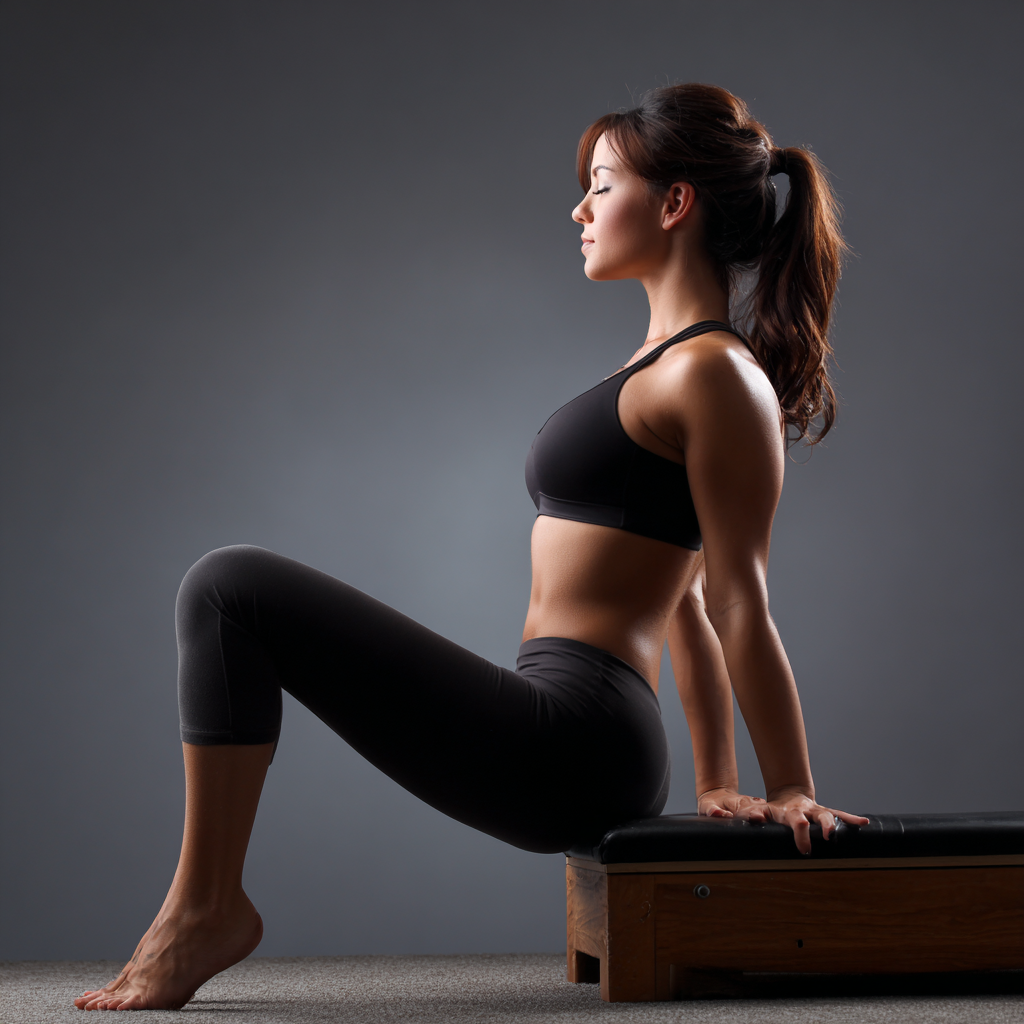
The 10 Best Pilates Exercises for Beginners, According to a Peloton Instructor
If you’ve been curious about Pilates but aren’t sure where to start, you’re not alone.
Invented in the 1920s by Joseph Pilates, the method was originally designed to help injured World War I soldiers recover their strength and mobility. Fast-forward to today, and Pilates is practiced by everyone from elite athletes to people who just want to move and feel better in their bodies. It’s low-impact, deeply effective, and—when done right—pretty addictive.
So what makes Pilates so powerful? According to Rebecca Kennedy, certified trainer and Peloton Pilates instructor, it’s all about control, focus, and connection. “Pilates builds strength from the inside out,” she says. “It helps you move better, breathe better, and feel more balanced—both physically and mentally.”
Why Pilates Is More Than Just a Workout
Here’s the thing about Pilates: yes, it tones your muscles and strengthens your core—but it also does something deeper. It teaches awareness.
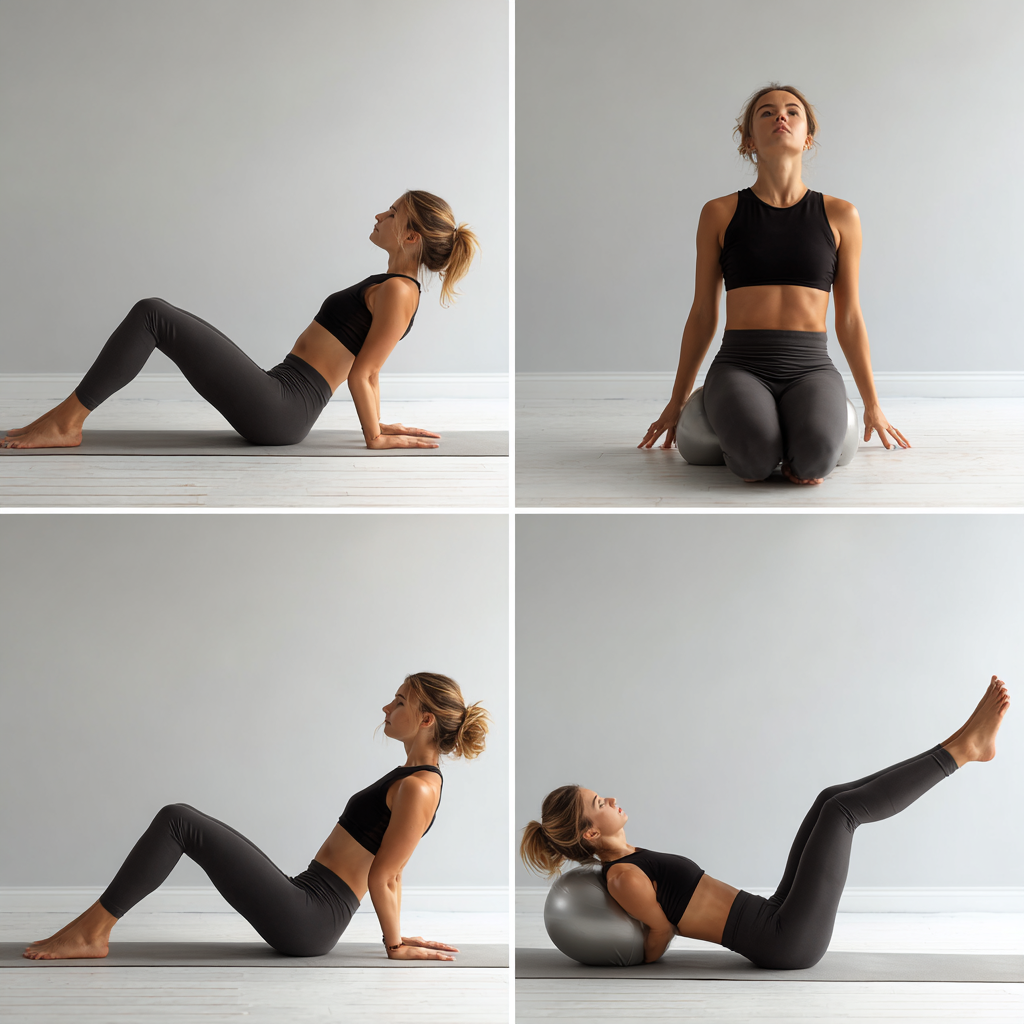
Pilates is built on three pillars: breath, concentration, and control. When you slow down and focus on each movement, you learn how to engage the right muscles and move with purpose. That’s what makes it so effective—not endless reps, but mindful precision.
And the benefits go beyond the mat. “It improves posture, flexibility, and balance,” says Kennedy. “It’s also incredibly kind to your joints. Anyone can do it—no matter your age or fitness level.”
Plus, that mind-body connection? It’s real. A regular Pilates practice can help quiet mental noise, reduce stress, and leave you feeling grounded long after your workout ends.
Before You Start: A Few Things to Know
Kennedy’s biggest advice for beginners is simple: slow down.
“People think they have to be flexible or perfect at every move,” she says. “You don’t. Pilates is a practice, not a performance.”
Here are a few tips to help you get started:
Listen to your body. Don’t push through pain. Modify when needed—quality over intensity.
Focus on your breathing. Every inhale and exhale matters in Pilates. Your breath fuels your movement.
Forget the fancy equipment. You don’t need a reformer or studio setup—just a mat and some space.
The 10 Best Pilates Exercises for Beginners
These 10 foundational exercises will help you build strength, flexibility, and control. Do them slowly, breathe deeply, and aim for precision over speed.
- The Hundred
How to do it: Lie on your back with legs in tabletop and arms at your sides. Lift your head and shoulders, extend your legs at a 45° angle, and pump your arms up and down—inhale for five counts, exhale for five—until you reach 100.
- Roll Up
How to do it: Start flat on your back with arms overhead. Inhale, then exhale as you roll up one vertebra at a time to reach toward your toes. Roll back down slowly.
- Pelvic Tilt
How to do it: Lie on your back, knees bent. Inhale to arch your lower back slightly; exhale and tuck your pelvis to flatten your spine into the mat. Repeat 10 times.
4.Single-Leg Stretch
This move is fantastic for working your core, hips, and coordination. Lie on your back and pull one knee toward your chest while extending the other leg out long.
5.Leg Circle
Lie flat on your back with one leg extended straight up. Slowly draw small, controlled circles with your raised leg—five times in each direction—to really engage those hip muscles.
6.Side-Lying Leg Kick
This exercise tones your glutes and strengthens your hips. Lie on your side, lift your top leg to hip height, flex your foot, and kick forward twice. Then point your toe and sweep your leg back once. Aim for 8 to 10 repetitions on each side.
7.Mermaid Stretch
Exactly as relaxing as it sounds, this stretch opens up your sides and lengthens your spine. Sit with your legs folded to one side, reach one arm overhead, and lean gently away from your legs, feeling a nice stretch along your torso.
8.Shoulder Bridge Leg Extension
This builds strength in your glutes, hamstrings, and lower back. Lie on your back with your knees bent, lift your hips into a bridge, then extend one leg straight out. Keep your hips steady as you alternate legs.
9.Rolling Like a Ball
A fun and challenging move that’s great for your spine. Sit with your knees bent and hold your shins. Tuck your chin toward your chest, roll back onto your shoulders, and then roll forward to balance again—without letting your feet touch the floor.
- The Saw
A stretch-and-strength combo that hits your core and hamstrings.
How to do it: Sit tall with legs wide. Twist your torso to one side, reach your pinky toward your opposite foot, then switch sides.
The Bonus Benefit: Strong Glutes, Strong Life
Let’s talk about your glutes—the powerhouse muscles that make everything else work better.
“When your glutes are strong, your whole body moves more efficiently,” says strength coach Ashley Selman, CSCS. “They stabilize your hips, protect your spine, and help prevent injuries.”
Pilates naturally builds glute strength through controlled movement and balance work. And the stronger your glutes, the better your posture, running form, and even your everyday movement patterns.
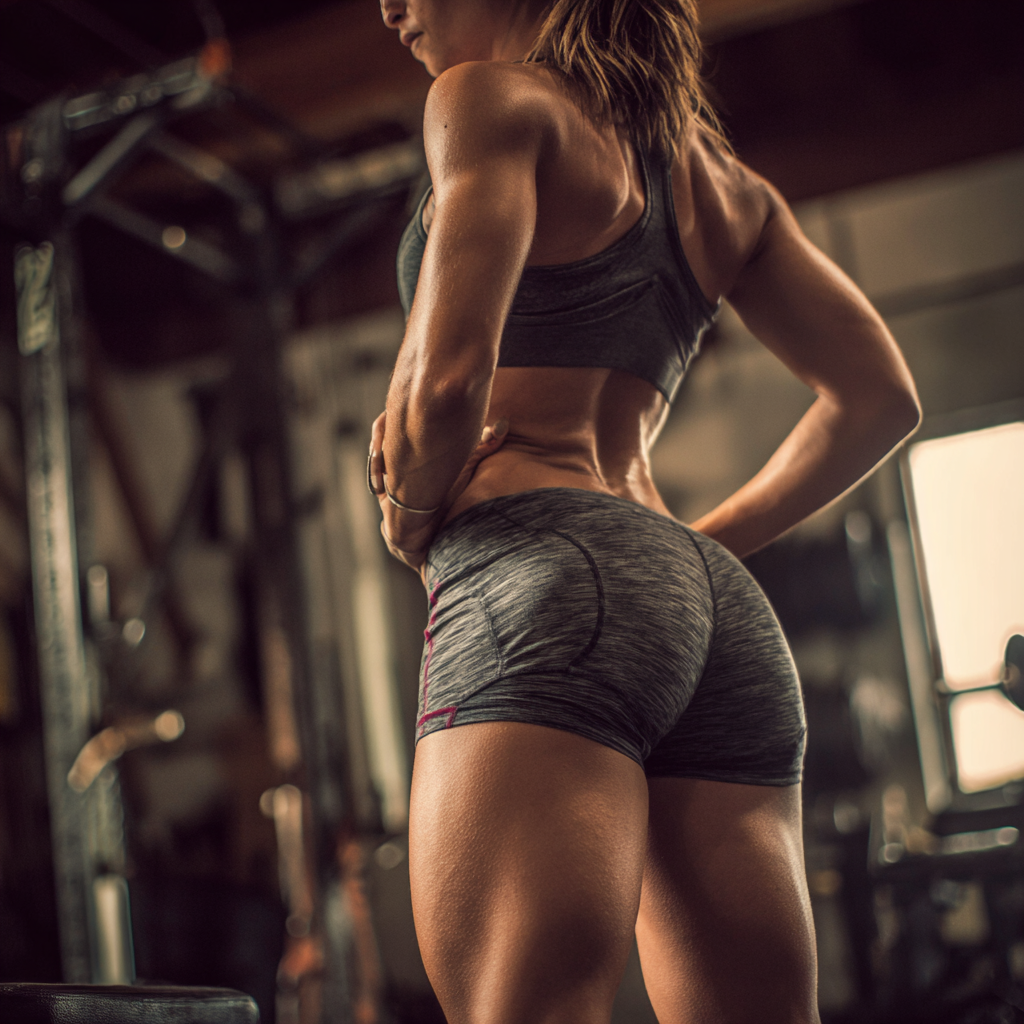
Three Keys to a Better Butt (and Better Performance)
Wake them up first.
If you sit a lot, your glutes might be “asleep.” Try a quick hip flexor stretch or glute activation drill before training.
Train all three glute muscles.
Combine side-lying moves (like clamshells and fire hydrants) with squats and bridges to target every angle.
Lift heavier over time.
If you want shape and strength, don’t fear the weights. Gradually increasing resistance helps muscles grow and perform better.
The Takeaway
Pilates isn’t just another workout trend—it’s a lifelong practice that helps you move, breathe, and feel better in your body.
“Think of Pilates as your foundation,” Kennedy says. “Once you build that core strength and control, everything else—from running to weightlifting—becomes easier and more efficient.”
So grab your mat, take a deep breath, and start where you are. You don’t need perfection—just progress
