
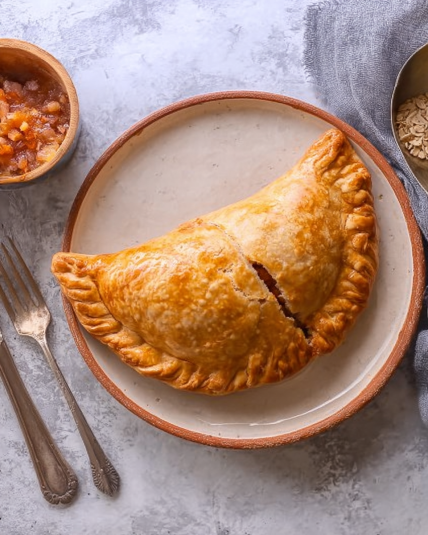
I still remember the first time I made a pasty — I was standing in my tiny kitchen, flour absolutely everywhere, and the smell of buttery dough warming under my palms made me feel like I was creating something far older than myself. There’s history in a Cornish pasty, and somehow you feel it the second the dough comes together.
I grew up loving the idea of food you could hold in your hand, especially the kind that feels like a whole meal wrapped in a warm little envelope. When I finally made my first authentic Cornish pasty recipe, it was like I suddenly understood why workers carried these into the mines — nourishing, sturdy, almost comforting in a quiet way.
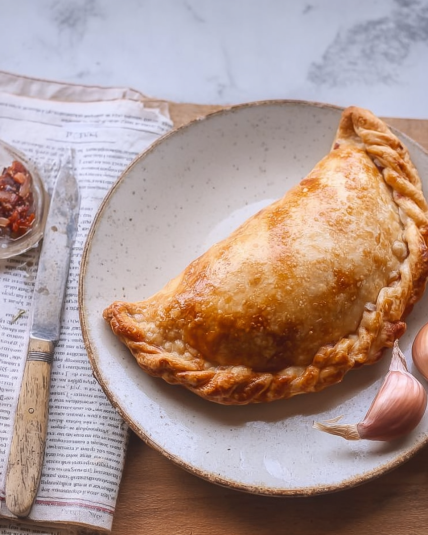
There’s a moment, right after sealing the edges, where you know if you’ve done it right. The crimp looks imperfect (mine always does!), but that’s part of the charm. These are meant to be rustic, unapologetic, deeply satisfying.
The aroma of beef, potato, and onion slowly roasting inside thick pastry is something that honestly makes the whole house feel calm. Even my neighbor once texted me asking if I was “making that pocket thing again.” She could smell it from outside.
What I love is that pasties aren’t fussy. They’re forgiving. They’re like the friend who shows up in comfy shoes and reminds you to breathe. And the first bite? Goodness. The flaky dough, the peppery filling, the tender vegetables… it’s the closest thing to edible nostalgia I’ve ever made.
And now, it’s become a weekend ritual. A little flour therapy. A little quiet meditation in the kitchen. I’m excited to share this version — simple, comforting, and honestly perfect for beginners.
Recipe Resume (Selling Points)
• Rustic, hearty, and incredibly filling.
• Simple ingredients you probably already have.
• A forgiving easy homemade pasty dough anyone can master.
• Freezes beautifully — meal prep win!
• Ideal lunchbox food: warm or room temp.
• Comforting beef-and-veg combo with classic flavor.
• Great for picky eaters (everything is tucked inside).
• Feels fancy but so easy.
Why This Pasty Is The Only One You’ll Ever Need
The first time I made these for my family, I actually doubled the recipe “just in case.” I’m glad I did because they vanished almost immediately — my brother grabbed a second one before I’d even washed my hands. We sat around the counter laughing, each of us holding what looked like edible little packages. This recipe became our cold-weather staple after that.
Cuisine: British / Cornish Comfort Food.
What You Really Need to Make This Amazing Pasty (Simplified)
- 3 cups flour
- 1 cup cold butter (cubed)
- ½ cup cold water
- Salt
- 1 lb beef skirt steak, diced small
- 2 medium potatoes, diced
- 1 onion, chopped
- 1 carrot, diced
- Salt, pepper, butter pats for each pasty
- 1 egg for brushing
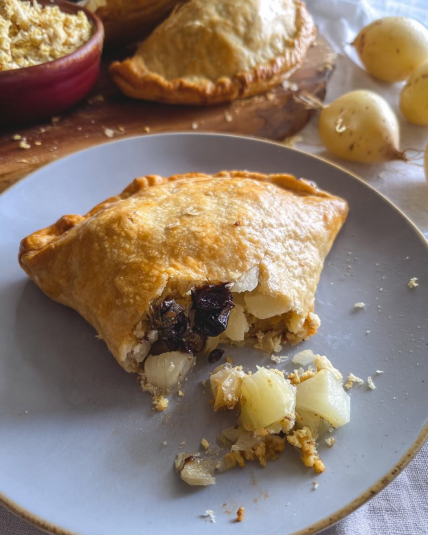
How to Master the Perfect Pasty (My Secret Method)
Start with the dough — mix the flour and salt, then rub the cold butter in with your fingertips until it feels like coarse pebbles. Add just enough water to bring it together; it should feel firm, not sticky. Let it rest while you prep the filling.
Dice everything small so it cooks evenly. Lay out circles of dough, scoop the filling on one side, season well, add a tiny butter pat, then fold over and crimp. Don’t rush the crimping — it doesn’t need to be pretty, just sealed. Bake until golden and the smell becomes impossible to ignore.
Chef’s Notes and Tips for a Flawless Pasty
Use cold ingredients — cold butter, cold water, cold hands if possible. This helps create a sturdy but flaky crust that holds up to the moisture inside without leaking.
And always season generously. Since the filling cooks inside the pastry, you won’t get a second chance. Pepper is especially important in a traditional beef and vegetable pasty — it gives that authentic flavor.
Get Creative! Easy Substitutions and Fun Variations
Swap beef for chicken or turkey. Add rutabaga if you want the old-school Cornish touch. Or make a vegetarian version with mushrooms and thyme.
For a fun twist, try a breakfast pasty: scrambled eggs, sausage, and cheddar wrapped in the same dough.
Lighten It Up! Healthier Pasty Options
Use whole-wheat flour for part of the dough, lean ground beef or turkey, and reduce the butter. You can also air-fry mini pasties for a lower-fat but still crisp version.
For a gluten-free pasty, use a sturdy GF pastry blend — and chill the dough well so it doesn’t crack.
And there you have it!
Tell me how your pasties turn out — and check out my other handheld comfort recipes while you’re here.
Are You Curious About Anything Else? Here Are the Most Frequently Asked Questions:
1. What cut of meat is best for an authentic Cornish pasty recipe?
Beef skirt steak is the traditional choice because it becomes tender without needing pre-cooking. It releases just enough moisture to steam the vegetables inside, creating that signature juicy filling. If you can’t find skirt steak, flank steak or even chuck cut into small cubes works beautifully.
What matters most is cutting the meat small so it cooks evenly inside the pastry. Larger chunks tend to stay chewy, especially for beginners learning the best pasty recipe for beginners.
2. Can I make pasties ahead of time?
Yes — pasties are practically designed for make-ahead cooking. You can assemble them, freeze them raw, and bake straight from frozen. Just add about 10 extra minutes to the bake time.
Many people batch-cook these for lunches or busy weeks because they freeze incredibly well and reheat without losing texture.
3. Why is my pasty leaking?
Usually it’s either too wet a filling or the edges weren’t sealed firmly enough. Make sure potatoes aren’t overly moist and avoid adding broth or extra liquid. The tiny pat of butter inside melts into the veggies and creates just enough steam — not too much.
If leaks happen, don’t stress; even “ugly” pasties taste fantastic.
4. Can I use store-bought pastry?
You can, but homemade gives a sturdier bite and holds the filling better. Store-bought puff pastry becomes too flaky and often bursts open. If you want something quicker, use a savory shortcrust pastry — closest to traditional.
5. How do I reheat pasties without drying them out?
Warm them in the oven at a gentle temperature (around 160–170°C). Microwaving works in a pinch but softens the crust. For crispness, always finish the last 5 minutes in the oven or air fryer.
6. Can I add cheese?
Not traditional, but oh yes, it’s delicious. A little sharp cheddar tucked into the filling melts beautifully and adds richness. Just don’t overstuff — cheese increases moisture.
7. Are pasties good cold?
Surprisingly, yes. Traditional workers ate them cold, and the sturdy dough keeps everything contained. They’re perfect picnic food and a great handheld savory pie recipe for on-the-go meals.
8. How thick should the dough be?
About ⅛ inch. Too thick and the edges get doughy; too thin and they tear. You want something strong enough to hold the filling yet delicate enough to stay flaky.
Pasty
4
servings30
minutes40
minutes300
kcalIngredients
3 cups flour
1 cup cold butter (cubed)
½ cup cold water
Salt
1 lb beef skirt steak, diced small
2 medium potatoes, diced
1 onion, chopped
1 carrot, diced
Salt, pepper, butter pats for each pasty
1 egg for brushing
Directions
- Start with the dough — mix the flour and salt, then rub the cold butter in with your fingertips until it feels like coarse pebbles. Add just enough water to bring it together; it should feel firm, not sticky. Let it rest while you prep the filling.
- Dice everything small so it cooks evenly. Lay out circles of dough, scoop the filling on one side, season well, add a tiny butter pat, then fold over and crimp. Don’t rush the crimping — it doesn’t need to be pretty, just sealed. Bake until golden and the smell becomes impossible to ignore.
