

I didn’t grow up eating omurice. In fact, the first time I saw it, it was in one of those late-night food videos—you know the ones you probably shouldn’t watch when you’re hungry. A knife slicing through a soft omelet, gently spilling over rice… I was instantly hooked.
So of course, I tried making this easy omurice recipe Japanese rice omelet the very next day. No plan. No practice. Just curiosity and a slightly overconfident attitude.
The first attempt? Let’s just say… it looked more like scrambled eggs hugging rice. Not quite the dreamy version I had in mind.
But here’s the thing—when I tasted it, it didn’t matter. It was warm, savory, slightly sweet from the ketchup, and surprisingly comforting. Like something you didn’t know you needed.

The smell of butter melting into eggs, the gentle sizzle of rice in the pan… it became one of those kitchen moments that slow you down in the best way.
After a few tries (and a couple of messy folds), I started getting the hang of it. Not perfect, but real. And honestly, that’s what makes it special.
Now it’s one of those dishes I make when I want something quick but still feels like I put in effort.
It’s simple, a little playful, and somehow always hits the spot.
Recipe Resume (Quick Selling Points)
Fast comfort food.
Ready in under 30 minutes.
Simple, everyday ingredients.
Fun cooking technique.
Sweet and savory balance.
Great for beginners.
Customizable with leftovers.
Looks impressive, feels easy.
Why This Easy Omurice Recipe Japanese Rice Omelet Is The Only One You’ll Ever Need
I made this once for a friend who claimed she “doesn’t like ketchup in food.” Bold statement, honestly.
She watched me cook with that skeptical look, especially when I added ketchup to the rice. I almost second-guessed myself for a second.
But then she took a bite… and just paused. No reaction for a full three seconds—which felt like forever.
Then she goes, “Okay… I get it now.”
We ended up eating the whole pan, talking about how something so simple could taste so comforting. That’s when I realized—this dish isn’t about perfection. It’s about how it makes you feel.
Cuisine Type: Japanese comfort food
What You Really Need to Make This Amazing Easy Omurice Recipe Japanese Rice Omelet (Simplified)
- 2 cups cooked rice (day-old preferred)
- 1/2 cup cooked chicken (diced)
- 1/4 onion (finely chopped)
- 2 tbsp ketchup
- 1 tbsp soy sauce
- 1 tbsp butter
- 2–3 eggs
- Salt & pepper
- Cooking oil
- Optional: peas, carrots, green onions
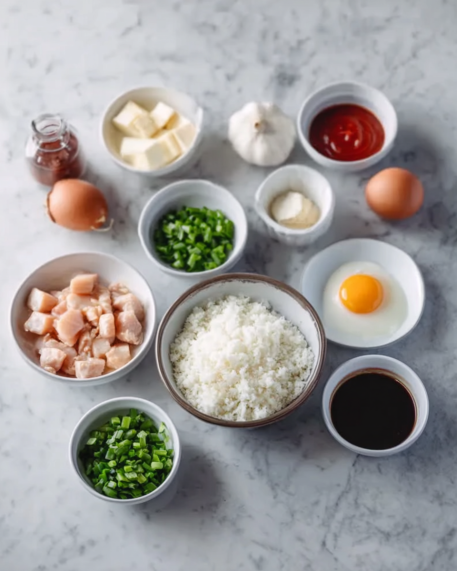
How to Master the Perfect Easy Omurice Recipe Japanese Rice Omelet (My Secret Method)
Start by heating your pan gently—medium heat is perfect. Add a little oil, then toss in the onions. Let them soften slowly, don’t rush them. You want that slightly sweet aroma to develop.
Add the chicken and stir it around until it warms through. Nothing fancy here—just let the flavors come together.
Now add your rice. Break it up gently with your spatula. If it sticks a little, that’s normal—just keep going, it’ll loosen up.
Pour in the ketchup and soy sauce. This is the magic moment. The rice turns that signature red-orange color, and suddenly your kitchen smells incredible.
Set the rice aside, keeping it warm.
In another pan, melt butter and pour in your beaten eggs. Swirl gently. Don’t overcook—this is where most people go wrong.
When the eggs are just set but still soft, place the rice in the center and carefully fold the omelet over it. It doesn’t have to be perfect—mine rarely is.
Slide it onto a plate and finish with a drizzle of ketchup. Maybe draw a little zigzag. Or a heart. Why not?
Chef’s Notes and Tips For A Flawless Easy Omurice Recipe Japanese Rice Omelet
If you’re trying to master how to make omurice at home fluffy egg, focus on temperature. High heat cooks eggs too quickly, making them dry and rubbery. Keep it medium-low and stay patient—it makes all the difference.
Also, your pan matters more than you think. A non-stick pan makes folding the omelet much easier and less stressful. If your pan sticks, the whole experience becomes… unnecessarily dramatic.
Get Creative! Easy Substitutions and Fun Variations
This simple omurice recipe with chicken is incredibly flexible. Swap chicken for shrimp, beef, or even tofu for a vegetarian option.
You can also mix in vegetables like mushrooms, corn, or spinach. Want something richer? Add cheese inside the omelet—it melts beautifully into the rice.
Some versions even use a demi-glace sauce instead of ketchup for a more “restaurant-style” feel.
Lighten It Up! Simple Swaps for a Healthier Easy Omurice Recipe Japanese Rice Omelet
To make this dish lighter, reduce butter and use less oil. You can also switch to brown rice or cauliflower rice for a lower-carb version.
Use low-sugar ketchup and increase the amount of vegetables to add more nutrients without changing the flavor too much.
Closing
And there you have it! A simple, cozy, and slightly playful dish that turns basic ingredients into something special. Give it a try—and don’t worry if it’s not perfect. That’s part of the charm. Let me know how it turns out!
Are You Curious About Anything Else? Take a Look at the Most Frequently Asked Questions We Get About This Recipe:
1. How do I make an easy omurice recipe Japanese rice omelet at home?
To make an easy omurice recipe Japanese rice omelet at home, you need to focus on two main components: flavorful ketchup rice and a soft, slightly runny omelet. Start by cooking your rice with chicken, onions, ketchup, and soy sauce until it’s well combined and slightly fried.
Then prepare your omelet separately using medium-low heat. The key is not overcooking the eggs—remove them while they’re still slightly soft. Place the rice inside and fold gently. With practice, your technique will improve naturally.
2. What is the secret to authentic Japanese omurice with ketchup rice?
The secret to authentic Japanese omurice with ketchup rice lies in balance. The ketchup shouldn’t overpower the dish but rather blend with soy sauce and other ingredients to create a sweet-savory flavor.
Using day-old rice also helps achieve the right texture—slightly firm and not too sticky. This allows the rice to fry properly and absorb the sauce evenly.
3. How do I get the fluffy egg for omurice?
If you’re learning how to make omurice at home fluffy egg, the biggest factor is heat control. Cook your eggs over medium-low heat and remove them before they fully set.
Whisking the eggs well and adding a small amount of milk or cream can also improve the texture, making them softer and more pliable for folding.
4. Can I make omurice without chicken?
Yes, and it still tastes amazing. This simple omurice recipe with chicken can easily be adapted by removing the chicken and replacing it with vegetables, tofu, or even seafood.
The flavor of the ketchup rice remains the star, so the dish doesn’t lose its identity even without meat.
5. What rice works best for omurice?
The best way to cook Japanese rice omelet starts with the right rice. Short-grain rice is ideal because it holds together well and has a slightly sticky texture.
Day-old rice is preferred because it’s less moist, making it easier to fry and mix with sauces.
6. Can I store and reheat omurice?
Yes, but for best results, store the rice and egg separately. The egg can become rubbery when reheated if not handled carefully.
When reheating, add a small amount of water or broth to the rice and warm it gently. Prepare fresh eggs if possible for the best texture.
7. Is omurice considered healthy?
Omurice can be balanced depending on how it’s prepared. It includes protein, carbohydrates, and can include vegetables.
To make it healthier, reduce fats, use whole grains, and add more vegetables. Small adjustments can significantly improve its nutritional value.
Omurice (Japanese Rice Omelet)
4
servings30
minutes40
minutes300
kcalIngredients
2 cups cooked rice (day-old preferred)
1/2 cup cooked chicken (diced)
1/4 onion (finely chopped)
2 tbsp ketchup
1 tbsp soy sauce
1 tbsp butter
2 –3 eggs
Salt & pepper
Cooking oil
Optional: peas, carrots, green onions
Directions
- Start by heating your pan gently—medium heat is perfect. Add a little oil, then toss in the onions. Let them soften slowly, don’t rush them. You want that slightly sweet aroma to develop.
- Add the chicken and stir it around until it warms through. Nothing fancy here—just let the flavors come together.
- Now add your rice. Break it up gently with your spatula. If it sticks a little, that’s normal—just keep going, it’ll loosen up.
- Pour in the ketchup and soy sauce. This is the magic moment. The rice turns that signature red-orange color, and suddenly your kitchen smells incredible.
- Set the rice aside, keeping it warm.
- In another pan, melt butter and pour in your beaten eggs. Swirl gently. Don’t overcook—this is where most people go wrong.
- When the eggs are just set but still soft, place the rice in the center and carefully fold the omelet over it. It doesn’t have to be perfect—mine rarely is.
- Slide it onto a plate and finish with a drizzle of ketchup. Maybe draw a little zigzag. Or a heart. Why not?
