
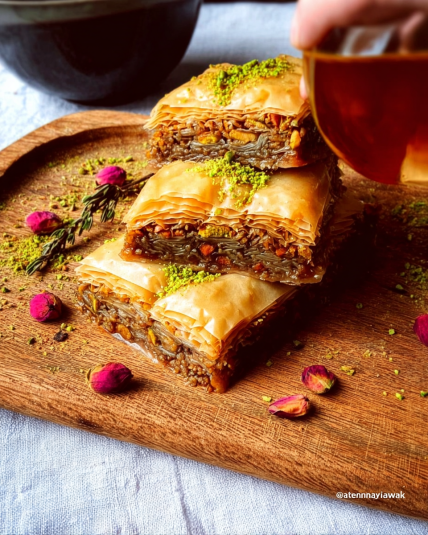
The first time I made baklava, I was convinced I’d mess it up.
Too many layers. Too much butter. Too many steps that felt… intimidating, honestly.
But then I started. Slowly. One sheet at a time.
And somewhere between brushing melted butter over delicate phyllo and sprinkling that fragrant nut mixture, I realized something—this isn’t complicated. It’s just patient.
The smell alone is worth it. Warm butter, toasted nuts, and that subtle floral note from orange blossom water drifting through the kitchen.
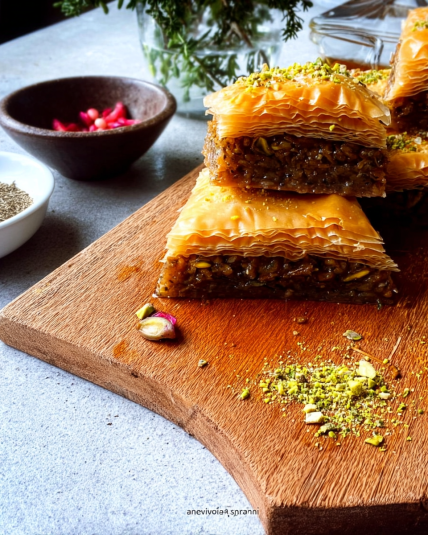
It’s the kind of aroma that makes people wander in and ask what’s baking… even before you’re done.
And when it comes out of the oven—golden, crisp, slightly puffed—it already feels like a small victory.
Then comes the syrup. That gentle pour. That soft sizzling sound. That moment when everything comes together.
This authentic Lebanese baklava recipe with pistachios isn’t just dessert. It’s layers of care, time, and a little bit of magic.
Recipe Resume (Why You NEED This)
Perfect crispy layers.
Rich but balanced sweetness.
That syrup soak—essential.
Impressive yet doable.
Classic Middle Eastern dessert.
Great for special occasions.
Make-ahead friendly.
Always worth the effort.
Why This Lebanese Baklava Is The Only One You’ll Ever Need
The first time I served this, I cut the pieces a little uneven. Some too big, some too small.
No one cared.
People reached for seconds before finishing their first piece. Someone asked quietly if there was more in the kitchen.
That’s when I knew—this crispy homemade baklava with phyllo and syrup didn’t need perfection.
It just needed time, good ingredients, and a bit of patience.
Now, it’s my go-to when I want to make something that feels special. Something that people remember.
Cuisine: Lebanese / Middle Eastern
What You Really Need to Make This Amazing Lebanese Baklava (Simplified)
- 1 package phyllo dough (thawed)
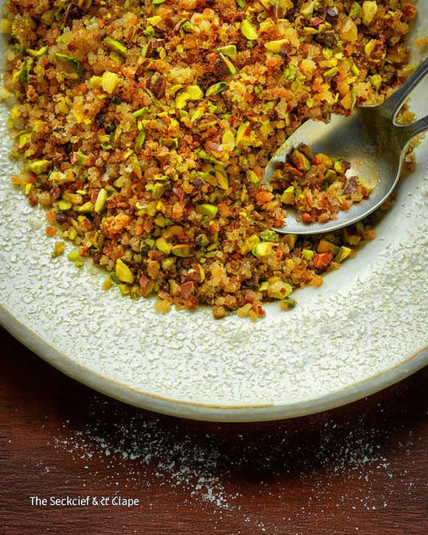
- 2 cups finely chopped pistachios (or walnuts)
- 1 cup melted butter
- 1/2 cup sugar
- 1 teaspoon cinnamon
For the syrup:
- 1 1/2 cups sugar
- 1 cup water
- 1 teaspoon lemon juice
- 1 teaspoon orange blossom water
How to Master the Perfect Lebanese Baklava (My Secret Method)
Start with the syrup—always. Combine sugar and water, let it simmer gently, then add lemon juice. Once it thickens slightly, remove from heat and stir in orange blossom water. Let it cool completely.
Now, take a deep breath and open the phyllo dough. Keep it covered with a slightly damp cloth—this part is delicate and dries quickly.
Brush your baking dish with butter. Lay one sheet of phyllo, brush it lightly with butter, then repeat. Layer after layer. Don’t rush—it’s almost meditative.
After about 8–10 layers, sprinkle a thin layer of nuts mixed with sugar and cinnamon.
Then continue layering phyllo and butter again. More layers, more texture.
Repeat the process until everything is used, finishing with a generous stack of phyllo on top.
Before baking, cut the baklava into diamonds or squares. This step matters—it helps everything bake evenly and absorb syrup later.
Bake until deeply golden. Not pale—you want that crisp.
As soon as it comes out, pour the cooled syrup slowly over the hot baklava. Listen for that soft sizzle.
Then… let it rest. This is the hardest part. But it’s where the magic happens.
Chef’s Notes and Tips For A Flawless Lebanese Baklava
Phyllo dough can be tricky, but don’t stress. If a sheet tears, just patch it—no one will ever notice once it’s layered.
Also, balance is key. Too much syrup and it becomes soggy. Too little and it feels dry. Pour gradually and let it absorb naturally.
Get Creative! Easy Substitutions and Fun Variations
Swap pistachios for walnuts or a mix of nuts.
Add rose water instead of orange blossom for a different aroma.
Try layering with crushed almonds for a lighter flavor.
Make mini rolls instead of classic layered cuts.
Lighten It Up! Simple Swaps for a Healthier Lebanese Baklava
Reduce sugar slightly in the syrup.
Use less butter between layers (still enough for crispness).
Choose nuts like walnuts for a more earthy, less sweet flavor.
Enjoy smaller portions—baklava is rich, so a little goes a long way.
Closing
And there you have it! Crispy, golden, and beautifully layered.
This easy Lebanese baklava with orange blossom syrup is the kind of dessert that feels like an accomplishment—and tastes even better.
Try it once, take your time, and enjoy every step.
Are You Curious About Anything Else? Take a Look at the Most Frequently Asked Questions We Get About This Recipe:
1. What makes Lebanese baklava different from other types?
This authentic Lebanese baklava recipe with pistachios is known for being lighter and less overly sweet compared to some other regional versions.
It often uses orange blossom water instead of heavy honey-based syrups, giving it a delicate floral note rather than a dense sweetness.
The balance between crisp layers and subtle syrup is what makes it stand out.
2. How do I keep baklava crispy?
To achieve crispy homemade baklava with phyllo and syrup, the key is temperature contrast—hot baklava, cool syrup.
Also, avoid covering it while still warm, as steam can soften the layers.
Store it at room temperature in a loosely covered container to maintain crispness.
3. Can I make baklava ahead of time?
Yes, and it actually improves over time. This how to make Lebanese baklava step by step at home recipe tastes even better the next day.
The syrup fully absorbs, and the flavors settle beautifully.
You can make it 1–2 days in advance and store it at room temperature.
4. Why is my baklava soggy?
Sogginess usually comes from too much syrup or pouring syrup that’s too hot onto hot baklava.
For this traditional Middle Eastern baklava recipe tips, always use cooled syrup on freshly baked hot pastry.
Also, avoid over-layering butter, which can weigh it down.
5. What nuts are best for baklava?
Pistachios are traditional for this easy Lebanese baklava with orange blossom syrup, offering a slightly sweet and vibrant flavor.
Walnuts are also popular and provide a deeper, earthier taste.
You can mix nuts depending on your preference.
6. Can I freeze baklava?
Yes, baklava freezes well. Let it cool completely, then store in an airtight container.
When ready to serve, thaw at room temperature. Avoid microwaving, as it softens the layers.
Freezing is a great option if you want to prepare ahead.
7. How thin should phyllo layers be?
Phyllo dough is naturally very thin—that’s what creates those signature layers.
When assembling this crispy homemade baklava with phyllo and syrup, don’t stack too many sheets without butter in between.
Each layer should feel light and separate, not compressed.
8. How do I know when baklava is done baking?
Look for a deep golden color across the top and edges. Pale baklava won’t have the same crisp texture.
You’ll also notice a slight puffing of layers and a rich, buttery aroma filling the kitchen.
That’s your sign—it’s ready for the syrup and the final transformation.
Lebanese Baklava
4
servings30
minutes40
minutes300
kcalIngredients
1 package phyllo dough (thawed)
2 cups finely chopped pistachios (or walnuts)
1 cup melted butter
1/2 cup sugar
1 teaspoon cinnamon
For the syrup:
1 1/2 cups sugar
1 cup water
1 teaspoon lemon juice
1 teaspoon orange blossom water
Directions
- Start with the syrup—always. Combine sugar and water, let it simmer gently, then add lemon juice. Once it thickens slightly, remove from heat and stir in orange blossom water. Let it cool completely.
- Now, take a deep breath and open the phyllo dough. Keep it covered with a slightly damp cloth—this part is delicate and dries quickly.
- Brush your baking dish with butter. Lay one sheet of phyllo, brush it lightly with butter, then repeat. Layer after layer. Don’t rush—it’s almost meditative.
- After about 8–10 layers, sprinkle a thin layer of nuts mixed with sugar and cinnamon.
- Then continue layering phyllo and butter again. More layers, more texture.
- Repeat the process until everything is used, finishing with a generous stack of phyllo on top.
- Before baking, cut the baklava into diamonds or squares. This step matters—it helps everything bake evenly and absorb syrup later.
- Bake until deeply golden. Not pale—you want that crisp.
- As soon as it comes out, pour the cooled syrup slowly over the hot baklava. Listen for that soft sizzle.
- Then… let it rest. This is the hardest part. But it’s where the magic happens.
