

The first time I made grits, I got it completely wrong. Lumpy, bland, and honestly… kind of disappointing.
I remember thinking, “Is this really what everyone loves so much?” It just didn’t make sense.
But then, a friend showed me how it’s really done. Slow cooking. Gentle stirring. A little patience. Suddenly, everything changed.
The smell alone—warm, buttery, comforting—felt like something you’d wake up to on a quiet weekend morning.

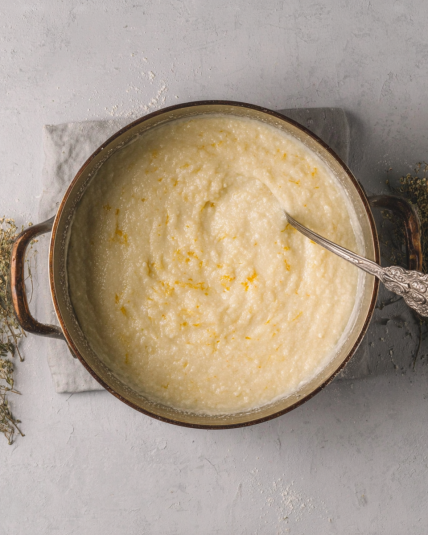
And the texture? That’s the magic. Smooth, creamy, almost like a savory porridge that melts as you eat it.
What I love most is how simple it is. Just a few ingredients. Nothing fancy. Yet when it’s done right, it feels like something special.
Now it’s one of those recipes I come back to when I want comfort without complication.
And honestly… once you get it right, there’s no going back.
Recipe Resume (Why You’ll Love It)
Ultra creamy texture.
Simple pantry ingredients.
Ready in under 30 minutes.
Perfect for breakfast or dinner.
Budget-friendly comfort food.
Customizable flavors.
Naturally gluten-free.
Beginner-friendly method.
Why This How to Make Grits Recipe Is The Only One You’ll Ever Need
I made this on a slow Sunday morning, half-awake, coffee in hand. No plan—just craving something warm.
I kept stirring, not rushing it, just letting it do its thing. And when I finally tasted it? That was it.
My partner took one bite and said, “Okay… this is different.” And I knew I had finally figured it out.
It’s not about complicated steps—it’s about patience and feel.
Cuisine: Southern / American
What You Really Need to Make This Amazing Grits (Simplified)
- 1 cup grits (stone-ground or quick)
- 4 cups water or broth
- 1 cup milk (optional for creaminess)
- 2 tbsp butter
- Salt to taste
Optional add-ins:
- Cheese (cheddar or parmesan)
- Black pepper
- Garlic powder
How to Master the Perfect Grits (My Secret Method)
Start with liquid first—water or broth. Bring it to a gentle boil, then add a pinch of salt.
Now comes the important part: slowly pour in the grits while whisking. Don’t dump them in. That’s how lumps happen.
Lower the heat immediately. Grits like a slow, steady cook—not aggressive boiling.
Stir often, but not constantly. Let them relax, then come back and stir again. You’ll feel them thickening gradually.
After about 15–20 minutes (longer for stone-ground), they’ll turn creamy. Not stiff, not runny—somewhere perfectly in between.
Now add butter and milk. This is where it transforms. Rich, silky, comforting.
Taste and adjust. Maybe more salt. Maybe a little pepper.
Serve warm… and don’t wait too long—they’re best right away.
Chef’s Notes and Tips For A Flawless Grits
The biggest secret to how to make grits creamy and smooth is slow heat. High heat cooks too fast and creates uneven texture.
Also, whisk early, then switch to a spoon later. Whisking prevents lumps at the start, while stirring helps maintain texture as it thickens.
If your grits get too thick, just add a splash of warm liquid. They’re very forgiving.
Get Creative! Easy Substitutions and Fun Variations
Use broth instead of water for deeper flavor.
Add shredded cheese for cheesy grits—always a favorite.
Top with sautéed shrimp or eggs for a full meal.
Stir in herbs or roasted garlic for extra personality.
Lighten It Up! Simple Swaps for a Healthier Grits
Use low-fat milk or skip it entirely.
Reduce butter slightly—flavor still shines.
Add veggies like spinach or mushrooms.
Use less cheese or a lighter version.
Closing
And there you have it! A simple, comforting bowl of creamy grits that’s all about texture, patience, and flavor.
Once you try it this way, you’ll never settle for lumpy grits again.
Are You Curious About Anything Else? Take a Look at the Most Frequently Asked Questions We Get About This Recipe:
1. How do you make grits creamy and smooth?
The secret to how to make grits creamy and smooth lies in technique, not ingredients. Slowly adding grits into boiling liquid while whisking prevents clumps from forming at the start.
Equally important is cooking them over low heat. This allows the grains to absorb liquid gradually, creating that soft, velvety texture that defines a good creamy butter grits step by step recipe.
2. What type of grits should I use?
There are several types: instant, quick, and stone-ground. For the best flavor, stone-ground grits are ideal, though they take longer to cook.
Quick grits are great for convenience and still deliver good texture if cooked properly. Instant grits are fastest but often lack depth.
3. Why are my grits lumpy?
Lumps usually form when grits are added too quickly or not stirred properly at the beginning.
Using a whisk when adding the grits helps break up clumps immediately. Once lumps form, they’re hard to fix—so prevention is key.
4. Can I make grits with milk instead of water?
Yes, but it’s best to use a mix. Cooking entirely in milk can make grits too thick or prone to sticking.
A combination of water (or broth) and milk gives you both structure and creaminess, making it the best way to cook grits without lumps.
5. How do I reheat leftover grits?
Grits thicken as they cool, so reheating requires adding liquid.
Warm them slowly on the stove with a splash of milk or water, stirring until smooth again. This helps restore that creamy consistency.
6. Are grits healthy?
Grits are naturally low in fat and gluten-free, making them a good base for a balanced meal.
Their nutritional value depends on what you add—keeping butter and cheese moderate can make a quick stovetop grits recipe quite healthy.
7. Can I make grits ahead of time?
Yes, but they’re best fresh. If making ahead, store them in the fridge and reheat with added liquid.
You can also pour cooked grits into a pan, chill, slice, and pan-fry later for a different texture.
How To Make Grits
4
servings30
minutes40
minutes300
kcalIngredients
1 cup grits (stone-ground or quick)
4 cups water or broth
1 cup milk (optional for creaminess)
2 tbsp butter
Salt to taste
Optional add-ins:
Cheese (cheddar or parmesan)
Black pepper
Garlic powder
Directions
- Start with liquid first—water or broth. Bring it to a gentle boil, then add a pinch of salt.
- Now comes the important part: slowly pour in the grits while whisking. Don’t dump them in. That’s how lumps happen.
- Lower the heat immediately. Grits like a slow, steady cook—not aggressive boiling.
- Stir often, but not constantly. Let them relax, then come back and stir again. You’ll feel them thickening gradually.
- After about 15–20 minutes (longer for stone-ground), they’ll turn creamy. Not stiff, not runny—somewhere perfectly in between.
- Now add butter and milk. This is where it transforms. Rich, silky, comforting.
- Taste and adjust. Maybe more salt. Maybe a little pepper.
- Serve warm… and don’t wait too long—they’re best right away.
