
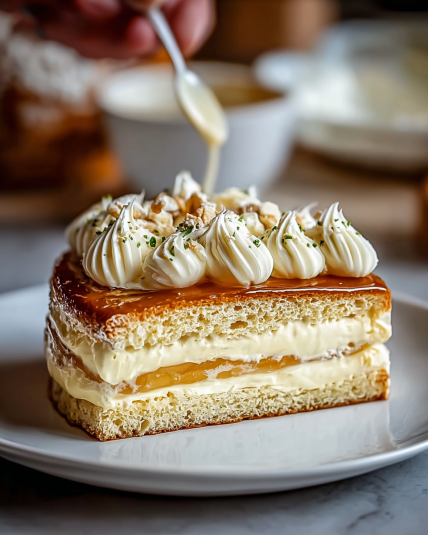
There’s something magical about the smell of toasted almonds and warm honey drifting through the kitchen. It’s the kind of aroma that makes everyone wander in, pretending they just happened to pass by. The first time I baked this German bee sting cake, I remember standing by the oven window like a kid waiting for cookies—completely mesmerized.
This cake carries a little drama with it. The name alone sparks curiosity, right? But once you taste that buttery brioche-like crumb paired with silky cream and the sticky almond topping, the mystery fades into pure comfort. It’s indulgent, yes, but in that cozy, old-world way that feels like a hug.
I actually stumbled upon this recipe during a rainy weekend when I wanted something that felt special but still homemade. Not fancy bakery perfection—just something warm, slightly messy, and full of personality. And wow, did it deliver.
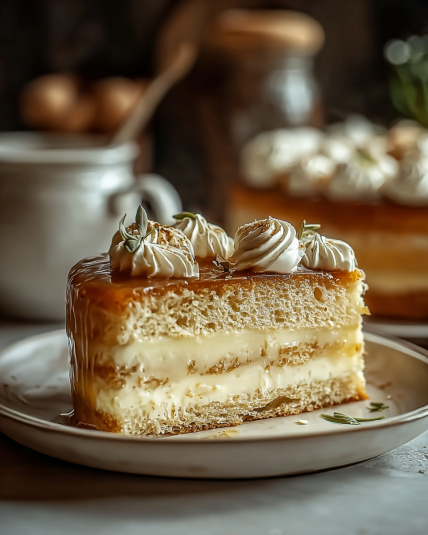
The texture is what wins people over first. Soft, almost pillowy cake. Then that gentle crunch on top. And finally, the creamy middle that ties everything together like a sweet surprise.
Every time I make it, it turns into a moment. Coffee gets poured. Conversations slow down. Someone inevitably asks for the recipe before the last slice disappears.
And honestly? It’s much easier than it looks. If you can stir, wait a little, and resist eating the topping straight from the pan (hardest part), you’re already halfway there.
So if you’ve been searching for an authentic German bee sting cake recipe at home that feels approachable and impressive, you’re in exactly the right place.
Let’s bake something unforgettable.
Recipe Resume (Selling Points)
A bakery-style cake without bakery stress.
Soft, enriched dough that feels luxurious yet simple.
The honey-almond topping caramelizes into pure magic.
Pastry cream adds a cool, creamy contrast.
Perfect make-ahead dessert for gatherings.
Looks impressive, tastes even better.
Balanced sweetness—not cloying.
One slice never feels like enough.
Why This German Bee Sting Cake Is The Only One You’ll Ever Need
The first time I served this at a family lunch, my cousin—who usually “doesn’t like cake”—went back for seconds and then quietly wrapped a slice for later. That’s when I knew this recipe was a keeper.
What makes it special isn’t just the flavor; it’s the contrast. Warm, nutty topping meets cool, velvety filling. And the cake itself? Light but rich enough to feel celebratory. It’s become my go-to whenever I want something that feels a little nostalgic and a little impressive at the same time.
Cuisine Type: German
What You Really Need to Make This Amazing German Bee Sting Cake (Simplified)
- All-purpose flour
- Warm milk
- Sugar
- Instant yeast
- Eggs
- Unsalted butter
- Salt
For the topping
- Honey
- Sliced almonds
- Butter
- Cream
For the filling
- Milk
- Egg yolks
- Sugar
- Cornstarch
- Vanilla
How to Master the Perfect German Bee Sting Cake (My Secret Method)
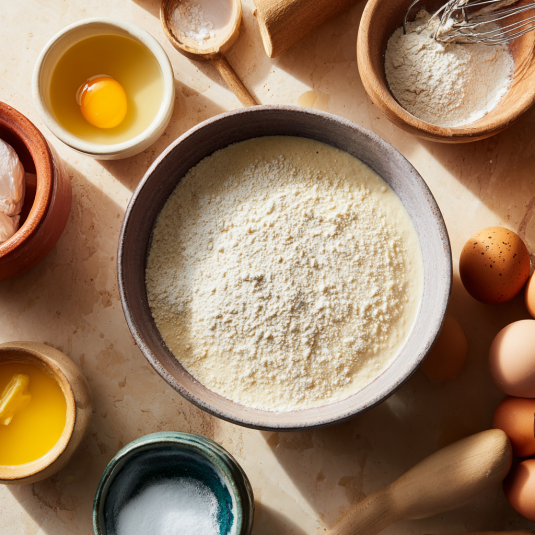
Start by waking up the yeast in warm milk with a pinch of sugar—it should look slightly foamy and alive. Mix it with flour, eggs, butter, and salt until you get a soft dough that feels smooth but still tender. Let it rest until doubled; this is when the texture magic happens.
While the dough rises, simmer honey, butter, and cream together. Stir in the almonds and let them soak up all that sweetness. The mixture should look glossy and thick, almost like caramel.
Press the risen dough into your pan and gently spread the almond topping over it. Don’t worry if it looks rustic—that’s part of the charm. Bake until golden and fragrant.
For the filling, whisk milk, yolks, sugar, and cornstarch over gentle heat until thick and silky. Let it cool completely before slicing the cake in half and spreading the cream generously.
Place the top layer back on, admire your work for a second, and try to wait before slicing. (No promises.)
Chef’s Notes and Tips For A Flawless German Bee Sting Cake
The key to that classic texture is patience with the dough. If your kitchen is cool, let it rise a little longer—rushing this step can make the cake dense instead of airy. I sometimes turn the oven light on and let the bowl sit inside for gentle warmth.
When making the pastry cream, keep stirring and use medium-low heat. It thickens quickly at the end, and constant movement keeps it silky instead of lumpy. If it does form tiny lumps, a quick whisk usually smooths things out.
Get Creative! Easy Substitutions and Fun Variations
You can swap the vanilla pastry cream for lightly sweetened whipped cream if you want a lighter feel. It turns the cake into more of a cloud-like dessert—perfect for warmer days.
For a flavor twist, add a touch of orange zest to the dough or a splash of almond extract to the filling. I’ve even seen versions with a thin layer of fruit jam, which adds a subtle tang that works beautifully with the honey topping.
Lighten It Up! Simple Swaps for a Healthier German Bee Sting Cake
Use low-fat milk in the filling and reduce the sugar slightly—the honey topping already brings plenty of sweetness. You can also replace part of the flour with whole-wheat pastry flour for a nuttier flavor and a bit more fiber.
If you prefer a lighter filling, fold Greek yogurt into the cooled pastry cream. It keeps the texture creamy while adding a gentle tang and reducing overall richness.
Closing
And there you have it! A cake that feels fancy, tastes incredible, and secretly isn’t complicated at all. Bake it once, and it just might become your signature dessert. Don’t forget to tell us how it turns out—and save a slice for yourself!
Are You Curious About Anything Else? Take a Look at the Most Frequently Asked Questions We Get About This Recipe:
1. What makes an authentic German bee sting cake recipe at home different from other cream cakes?
An authentic version stands out because of its yeasted dough base rather than a typical sponge. This gives the cake a slightly chewy, brioche-like texture that feels richer and more substantial. The honey-almond topping is also essential—it’s cooked before baking so it forms a caramelized layer that’s both crunchy and sticky.
Another defining feature is the balance. Traditional Bienenstich isn’t overly sweet; the pastry cream is smooth and lightly flavored, letting the honey and almonds shine. When made at home, you also get fresher flavors and better texture contrast than most store-bought versions.
2. How do I keep the honey almond topping from becoming too hard?
The trick is cooking the topping just until the sugar dissolves and everything looks glossy. Overcooking can lead to a brittle layer after baking. You want it thick but still spoonable when spreading it over the dough.
Also, avoid overbaking the cake. Once the top is golden and the edges look set, it’s ready. As it cools, the topping firms up slightly but should still be easy to slice without shattering.
3. Can I make this easy German bee sting cake with pastry cream filling ahead of time?
Yes—and it’s actually better that way. Preparing the cake a day in advance allows the flavors to meld and the filling to set properly, making slicing much cleaner. Store it in the refrigerator, loosely covered.
Before serving, let it sit at room temperature for about 20 minutes. This softens the cake slightly and brings out the buttery aroma, giving you the best texture and flavor.
4. What’s the best way to slice Bienenstich without squishing the filling?
Use a long serrated knife and a gentle sawing motion rather than pressing straight down. Chilling the cake briefly before slicing also helps the cream hold its shape.
Wiping the knife between cuts keeps the layers neat and prevents dragging the filling across the top layer. It’s a small step that makes a big visual difference.
5. Can I freeze German bee sting cake?
You can freeze the cake layers without the filling very successfully. Wrap them tightly and freeze for up to two months. Thaw at room temperature, then add fresh pastry cream before serving.
Freezing the fully assembled cake is possible, but the cream may lose a bit of its silky texture after thawing. For best results, assemble fresh.
Heavenly German Bee Sting Cake: A Sweet Homemade Delight
4
servings30
minutes40
minutes300
kcalIngredients
All-purpose flour
Warm milk
Sugar
Instant yeast
Eggs
Unsalted butter
Salt
For the topping
Honey
Sliced almonds
Butter
Cream
For the filling
Milk
Egg yolks
Sugar
Cornstarch
Vanilla
Directions
- Start by waking up the yeast in warm milk with a pinch of sugar—it should look slightly foamy and alive. Mix it with flour, eggs, butter, and salt until you get a soft dough that feels smooth but still tender. Let it rest until doubled; this is when the texture magic happens.
- While the dough rises, simmer honey, butter, and cream together. Stir in the almonds and let them soak up all that sweetness. The mixture should look glossy and thick, almost like caramel.
- Press the risen dough into your pan and gently spread the almond topping over it. Don’t worry if it looks rustic—that’s part of the charm. Bake until golden and fragrant.
- For the filling, whisk milk, yolks, sugar, and cornstarch over gentle heat until thick and silky. Let it cool completely before slicing the cake in half and spreading the cream generously.
- Place the top layer back on, admire your work for a second, and try to wait before slicing. (No promises.)
