
Panna cotta has always felt a little intimidating to me. One of those desserts you admire on menus, nod approvingly at, and then quietly order something else because… gelatin.
The first time I tried making it, I hovered over the stove like something dramatic was about to happen. Spoiler: nothing dramatic happened. And that’s kind of the magic.
What did happen was this gentle smell of warm cream and vanilla filling my kitchen. Not loud. Not sweet in-your-face. Just soft and comforting.
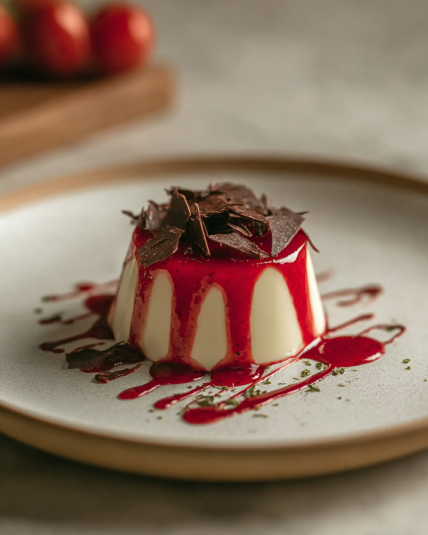
When I unmolded it hours later, I actually laughed. It wobbled. Perfectly. That delicate, shy wobble that tells you you’ve done it right.
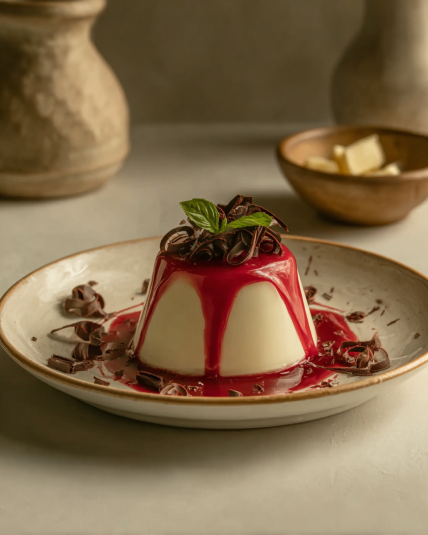
Since then, this easy panna cotta recipe has become my quiet little dinner-party flex. It looks elegant. It tastes indulgent. And yet—it’s almost impossible to mess up.
I make it when I want dessert without chaos. When I want calm. When I want something that lets me breathe a little.
No baking. No mixers. No stress.
Just a spoon, a pot, and a little patience.
Recipe Resume (Why You’ll Love This)
Silky, creamy texture every time.
Five simple ingredients.
No oven required.
Make-ahead friendly.
Elegant enough for guests.
Easy enough for weeknights.
Customizable with endless toppings.
A true no-fail dessert.
Why This Easy Panna Cotta Recipe Is The Only One You’ll Ever Need
The first time I served this, my family thought I’d ordered it from a restaurant. My spouse raised an eyebrow—the impressed kind. That never happens.
Now it’s my go-to when I want dessert handled before guests even arrive. It chills quietly in the fridge while I pretend I’m not proud of myself.
Cuisine: Italian
What You Really Need to Make This Amazing Easy Panna Cotta (Simplified)
- 2 cups heavy cream
- ¼ cup sugar
- 1 teaspoon vanilla extract (or vanilla bean paste)
- 1 packet (7 g) unflavored gelatin
- 3 tablespoons cold water
Optional toppings: berries, caramel sauce, honey, or fruit coulis
How to Master the Perfect Easy Panna Cotta (My Secret Method)
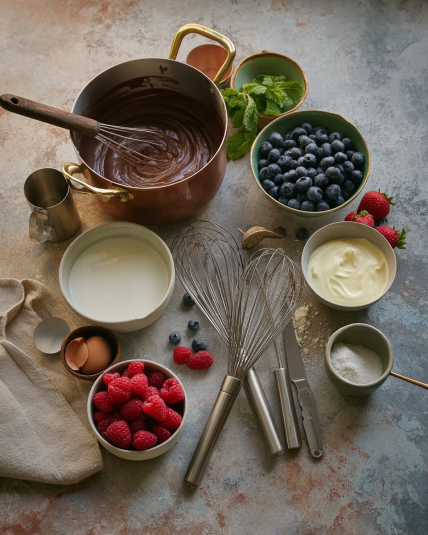
Start by sprinkling the gelatin over cold water in a small bowl. Don’t stir aggressively—just let it bloom quietly while you handle the cream. This step matters more than people admit.
In a saucepan, gently heat the cream and sugar over medium-low heat. You’re not boiling. You’re warming. Think cozy, not aggressive. Stir until the sugar melts and the cream feels hot but calm.
Remove from heat and stir in the bloomed gelatin. Watch it disappear—no grains, no drama. Add vanilla and give it one last gentle stir.
Pour into lightly greased ramekins or glasses. Let them cool slightly, then refrigerate for at least 4 hours. Overnight is even better.
When ready, unmold or serve straight from the glass. That wobble? That’s success.
Chef’s Notes and Tips For A Flawless Easy Panna Cotta
Temperature is everything. If the cream is too hot, the gelatin weakens. Too cool, and it won’t dissolve properly. Aim for hot-but-not-boiling and you’ll be golden.
Also—less gelatin is more. Panna cotta should tremble, not stand at attention. This ratio gives that classic Italian texture that melts the moment it hits your spoon.
Get Creative! Easy Substitutions and Fun Variations
Swap vanilla for espresso powder or citrus zest.
Add coconut milk for a tropical twist.
Serve with roasted fruit or chocolate shavings.
Layer it with fruit jelly for a stunning visual.
Lighten It Up! Simple Swaps for a Healthier Panna Cotta
Use half-and-half instead of heavy cream.
Sweeten with honey or maple syrup.
Try almond milk + light coconut milk combo.
Naturally gluten-free and easy to adapt for lower-fat diets.
And there you have it!
An easy panna cotta recipe that’s elegant, forgiving, and endlessly adaptable. If you make it, tell me how it turned out—and don’t be surprised if it becomes your quiet little kitchen secret.
Are You Curious About Anything Else? Take a Look at the Most Frequently Asked Questions We Get About This Recipe
1. Why didn’t my panna cotta set properly?
This is usually a gelatin issue. Either it didn’t bloom fully or the cream was too hot when added. Gelatin needs gentle handling to do its job correctly.
Using the right ratio is key. This easy panna cotta recipe is designed to give a soft, classic set—not rubbery, not loose.
2. Can I make panna cotta ahead of time?
Absolutely—and you should. Homemade panna cotta dessert actually improves with time. The texture firms gently and the flavors mellow beautifully.
It keeps well in the fridge for up to three days, making it perfect for entertaining or meal prep.
3. Is panna cotta supposed to wobble?
Yes. A proper Italian panna cotta should jiggle slightly when moved. That soft wobble means the gelatin-to-cream balance is just right.
If it feels firm like jelly, it’s over-set. Still tasty—but not traditional.
4. Can I unmold panna cotta easily?
Yes. Dip the ramekin briefly in warm water, then invert onto a plate. It should slide out cleanly.
If it sticks, give it a gentle shake—no force needed.
5. What’s the best topping for vanilla panna cotta?
Fresh berries, berry coulis, caramel sauce, or even olive oil with sea salt. Vanilla panna cotta is neutral and plays well with bold flavors.
That’s why it’s such a restaurant favorite.
6. Can I make this panna cotta dairy-free?
Yes, with coconut milk or almond milk blends. Texture will change slightly, but it still works beautifully with proper gelatin ratios.
Coconut panna cotta is especially popular for a creamy dairy-free option.
7. How long does panna cotta take to set?
At least 4 hours, but overnight is ideal. Rushing this step often leads to disappointment.
Think of chilling time as part of the recipe—not a suggestion.
8. Is panna cotta healthier than cake or pie?
In moderation, yes. It’s portion-controlled, lower in flour and sugar, and easy to adapt for lighter diets.
That’s why many people choose panna cotta as a simple, elegant dessert without the heaviness.
Easy Panna Cotta
4
servings30
minutes40
minutes300
kcalIngredients
2 cups heavy cream
¼ cup sugar
1 teaspoon vanilla extract (or vanilla bean paste)
1 packet (7 g) unflavored gelatin
3 tablespoons cold water
Optional toppings: berries, caramel sauce, honey, or fruit coulis
Directions
- Start by sprinkling the gelatin over cold water in a small bowl. Don’t stir aggressively—just let it bloom quietly while you handle the cream. This step matters more than people admit.
- In a saucepan, gently heat the cream and sugar over medium-low heat. You’re not boiling. You’re warming. Think cozy, not aggressive. Stir until the sugar melts and the cream feels hot but calm.
- Remove from heat and stir in the bloomed gelatin. Watch it disappear—no grains, no drama. Add vanilla and give it one last gentle stir.
- Pour into lightly greased ramekins or glasses. Let them cool slightly, then refrigerate for at least 4 hours. Overnight is even better.
- When ready, unmold or serve straight from the glass. That wobble? That’s success.
