

There’s something about simple recipes that feels… grounding. No long ingredient lists, no complicated steps—just honest food.
The first time I tried this easy Irish potato bread recipe, it wasn’t planned. I had leftover mashed potatoes sitting in the fridge, and honestly, I didn’t want to waste them.
I remembered hearing about Irish potato bread—something rustic, quick, made from what you already have. That sounded exactly right.
So I mixed, shaped, and cooked it in a pan. No expectations.
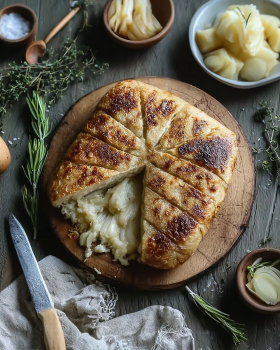
But then came the smell. Warm, buttery, slightly toasty… it filled the kitchen in minutes.
I took a bite straight from the pan (impatient, as always). Soft inside, lightly crisp outside. Comfort in its simplest form.
Since then, it’s become one of those recipes I turn to when I want something quick, cozy, and satisfying without overthinking it.
Especially on slow mornings. Or honestly, even late at night.
Recipe Resume (Why You Need This Now)
Uses leftover mashed potatoes.
No yeast required.
Ready in under 30 minutes.
Soft inside, crisp outside.
Cooked in one pan.
Budget-friendly.
Perfect with sweet or savory toppings.
Pure comfort food.
Why This Easy Irish Potato Bread Recipe Is The Only One You’ll Ever Need
I made this one weekend when I had family over and not quite enough bread for everyone.
So I improvised.
At first, people were curious. Then they tried it… and suddenly it disappeared faster than anything else on the table.
Someone even asked if I bought it from a bakery. That moment? I knew this recipe was staying.
It’s simple, reliable, and always delivers.
Cuisine: Irish traditional comfort food
What You Really Need to Make This Amazing Easy Irish Potato Bread Recipe (Simplified)
- 2 cups mashed potatoes (cold, leftover works best)
- 1 cup all-purpose flour
- 2 tablespoons butter (melted)
- Salt to taste
- Optional: pinch of baking powder
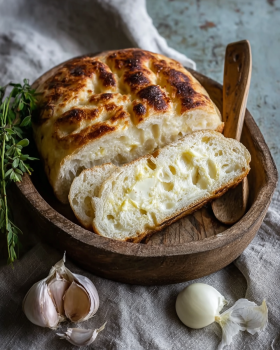
How to Master the Perfect Easy Irish Potato Bread Recipe (My Secret Method)
Start with cold mashed potatoes—they’re easier to work with and hold their shape better.
In a bowl, mix potatoes, flour, butter, and salt. It comes together into a soft dough—not sticky, but not too firm either.
Turn it out onto a floured surface and gently knead. Not too much—just enough to bring it together.
Flatten the dough into a round shape, about 1 cm thick. Then cut it into quarters—this is the classic “farls” style.
Heat a pan over medium heat. No rush here.
Place the pieces in the pan and let them cook slowly. You’ll see the edges firm up, the bottom turning golden.
Flip carefully and cook the other side until lightly crisp.
Serve warm. Always warm—that’s when it’s at its best.
Chef’s Notes and Tips For A Flawless Easy Irish Potato Bread Recipe
The texture depends heavily on your mashed potatoes. If they’re too creamy or buttery, you may need a bit more flour to balance things out.
Don’t overwork the dough. It’s tempting, but too much kneading can make the bread dense instead of soft.
Also, keep the heat moderate. Too high, and the outside burns before the inside warms through. Slow and steady wins here.
Get Creative! Easy Substitutions and Fun Variations
Add chopped herbs like chives or parsley for a fresh twist.
Mix in grated cheese for a richer, more indulgent version.
You can even make it slightly sweet by adding a pinch of sugar and serving with jam or honey.
Or shape it into small rounds instead of triangles for a different look.
Lighten It Up! Simple Swaps for a Healthier Easy Irish Potato Bread Recipe
Use whole wheat flour instead of white for added fiber.
Reduce butter or swap with olive oil for a lighter option.
If your mashed potatoes already contain butter, you can skip adding extra fat.
Pair with healthy toppings like avocado or eggs for a balanced meal.
Closing
And there you have it—simple, warm, and incredibly comforting.
This is the kind of recipe that reminds you how good basic ingredients can be.
Give it a try, make it your own, and enjoy every bite.
Are You Curious About Anything Else? Take a Look at the Most Frequently Asked Questions We Get About This Recipe:
1. Can I make this easy Irish potato bread recipe with fresh mashed potatoes?
Yes, but let them cool first. Quick Irish potato bread with mashed potatoes works best when the potatoes are cold and slightly firm.
Fresh, hot mashed potatoes can make the dough too soft and sticky, which makes shaping difficult.
If using fresh mash, spread it out and let it cool completely before mixing with flour.
2. Why is my homemade Irish potato bread falling apart?
This usually happens when there isn’t enough flour to bind the mixture.
Homemade Irish potato bread pan fried needs a balance between soft potatoes and structure from flour. If your dough feels too loose, add a little more flour gradually.
Also, handle the dough gently—too much mixing can break its structure.
3. Do I need yeast for Irish potato bread?
No, and that’s one of the best parts. Simple potato bread recipe no yeast means it’s quick and easy.
The texture comes from the potatoes themselves rather than rising agents.
This makes it perfect for last-minute cooking without waiting for dough to rise.
4. Can I bake Irish potato bread instead of frying it?
Traditionally, authentic Irish potato farls recipe easy versions are pan-cooked, but baking is possible.
If baking, use a hot oven and flip halfway through to ensure even cooking.
However, pan frying gives that signature golden crust and soft interior.
5. How do I store leftover potato bread?
Store in an airtight container in the fridge for up to 2–3 days.
Reheat in a pan or toaster to bring back the texture.
Avoid microwaving if possible—it softens the outside too much.
6. Can I freeze Irish potato bread?
Yes. Let it cool completely, then freeze in layers with parchment paper.
When ready to eat, reheat directly in a pan or oven.
It’s a great way to have quick homemade bread ready anytime.
7. What can I serve with potato bread?
It’s incredibly versatile. Serve with butter, eggs, smoked salmon, or even jam.
It works for breakfast, lunch, or as a side dish.
The mild flavor pairs well with both sweet and savory toppings.
8. How do I make this recipe gluten-free?
You can substitute all-purpose flour with a gluten-free blend.
Make sure the blend contains binding agents like xanthan gum for best results.
The texture may vary slightly, but it still creates a delicious, comforting bread.
Easy Irish Potato Bread Recipe for Quick, Comforting Meals
4
servings30
minutes40
minutes300
kcalIngredients
2 cups mashed potatoes (cold, leftover works best)
1 cup all-purpose flour
2 tablespoons butter (melted)
Salt to taste
Optional: pinch of baking powder
Directions
- Start with cold mashed potatoes—they’re easier to work with and hold their shape better.
- In a bowl, mix potatoes, flour, butter, and salt. It comes together into a soft dough—not sticky, but not too firm either.
- Turn it out onto a floured surface and gently knead. Not too much—just enough to bring it together.
- Flatten the dough into a round shape, about 1 cm thick. Then cut it into quarters—this is the classic “farls” style.
- Heat a pan over medium heat. No rush here.
- Place the pieces in the pan and let them cook slowly. You’ll see the edges firm up, the bottom turning golden.
- Flip carefully and cook the other side until lightly crisp.
- Serve warm. Always warm—that’s when it’s at its best.
