
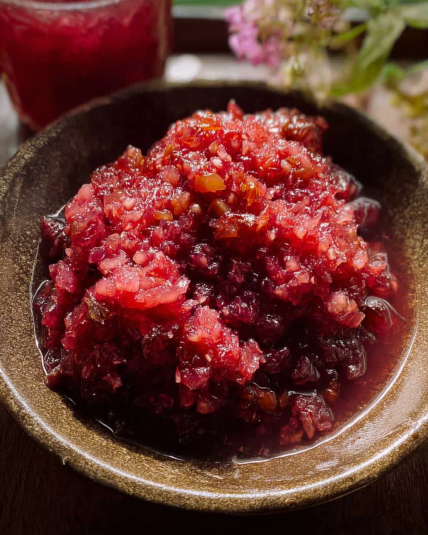
There are recipes that whisper. This one absolutely does not.
The first time I cooked bagoong alamang guisado, I remember hesitating before turning on the stove. That unmistakable shrimp paste smell has a reputation—and honestly, it deserves it. It’s loud. It’s assertive. It announces itself to the whole house like, “Hi, I’m here, deal with it.”
But here’s the thing no one tells you until you try it yourself: once it’s cooked properly, slowly, with patience, it becomes something else entirely. Deep. Savory. Comforting. Almost addictive.
I grew up watching this Filipino shrimp paste sautéed gently with onions and garlic, sugar sprinkled in almost casually, like muscle memory. No measuring cups. Just instinct. And always a little taste at the end, followed by a nod of approval—or not.
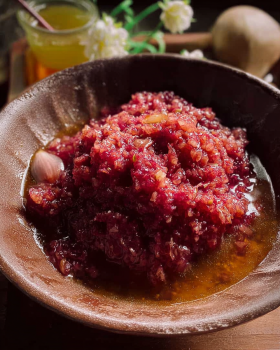
Bagoong alamang guisado isn’t meant to be eaten by the spoonful (though some do). It’s meant to transform. A sidekick that steals the show. Green mango? Elevated. Plain rice? Suddenly exciting. Kare-kare? Incomplete without it.
This version is balanced—sweet, salty, slightly spicy if you want it. Not harsh. Not overwhelming. Just right.
And once you know how to cook bagoong alamang at home, there’s really no going back.
Recipe Resume (Why You’ll Want This Now)
Big flavor, tiny serving
Sweet and salty perfection
Custom heat level
Better than store-bought
Keeps for weeks
Authentically Filipino
Minimal ingredients
Maximum impact
Why This Bagoong Alamang Guisado Recipe Is The Only One You’ll Ever Need
Cuisine: Filipino / Asian
This sweet spicy bagoong alamang became a staple after one family lunch where everything tasted better—and no one could explain why until someone pointed at the small bowl on the table.
What makes this traditional Filipino shrimp paste recipe special is restraint. It doesn’t try to tame bagoong too much. It just smooths the rough edges. The sugar doesn’t dominate. The oil doesn’t drown it. Everything works together.
It’s the kind of recipe that doesn’t ask for attention—but somehow always gets it.
What You Really Need to Make This Amazing Bagoong Alamang Guisado (Simplified)
- Bagoong alamang (raw shrimp paste)
- Neutral oil
- Onion, finely chopped
- Garlic, minced
- Tomatoes, chopped (optional but classic)
- Brown sugar
- Chili (optional)
That’s all. No shortcuts. No fillers.
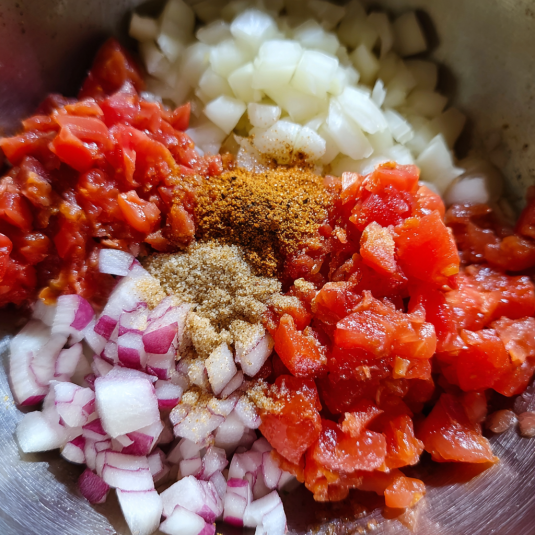
How to Master the Perfect Bagoong Alamang Guisado (My Secret Method)
Start by warming oil over medium heat. Add the onions and let them soften until they’re glossy and sweet—this part matters more than you think. Rushing here means harsh flavors later.
Stir in the garlic and give it just a few seconds. As soon as it smells fragrant, add the bagoong alamang. Lower the heat. Stir gently. Let it cook slowly, almost lazily. You’ll notice the smell change—it becomes rounder, less sharp.
Add tomatoes if using, then sprinkle in brown sugar. Stir, taste, pause. Adjust. This is where you decide if you want more sweetness or a little heat from chili.
Keep cooking until everything looks thick, glossy, and unified. Turn off the heat and let it rest. It always tastes better after a few minutes.
Chef’s Notes and Tips For A Flawless Bagoong Alamang Guisado
Low heat is non-negotiable. High heat scorches shrimp paste fast and gives bitterness instead of depth. Think gentle simmer, not aggressive fry.
Also—every bagoong brand is different. Some are saltier, some funkier. Taste often and trust your palate more than the recipe.
Get Creative! Easy Substitutions and Fun Variations
Prefer it sweeter? Coconut sugar works beautifully. Want more heat? Try bird’s eye chilies or chili oil.
Some families add a splash of vinegar at the end for brightness. Others skip tomatoes entirely for a darker, richer paste. There’s no single correct version—just the one you love.
Lighten It Up! Simple Swaps for a Healthier Bagoong Alamang Guisado
Use less oil and rely on slow cooking for flavor. Cut back slightly on sugar and let tomatoes provide natural sweetness.
Because it’s intensely flavored, you naturally use less—which makes it surprisingly portion-friendly.
Closing (Todd Wilbur Style)
And there you have it.
Small spoon. Big impact.
One jar that makes everything better.
Give it a try—and don’t be surprised when it disappears faster than expected.
Are You Curious About Anything Else? Take a Look at the Most Frequently Asked Questions We Get About This Recipe:
1. What is bagoong alamang guisado?
Bagoong alamang guisado is cooked shrimp paste sautéed with aromatics and sugar to mellow its intensity. Unlike raw bagoong, the guisado version is balanced and ready to serve.
This traditional Filipino shrimp paste recipe is commonly paired with green mango, kare-kare, or grilled dishes. Cooking it transforms the flavor entirely.
2. Is Filipino shrimp paste sautéed supposed to be sweet?
Yes—slightly. Sweetness balances saltiness, not replaces it. The sugar helps round out the sharp edges of shrimp paste.
Without sweetness, bagoong can taste aggressive. With it, the flavor becomes layered and addictive.
3. How do I reduce the strong smell when cooking bagoong alamang?
Cook it slowly over medium-low heat and keep your kitchen ventilated. The smell is strongest at the beginning.
Once cooked, the aroma softens significantly. The final flavor is far gentler than the cooking phase suggests.
4. How long does bagoong alamang guisado last in the fridge?
Stored in an airtight container, it keeps well for 2–3 weeks. Oil and salt naturally preserve it.
Always use a clean spoon to extend freshness.
5. Can I freeze sweet spicy bagoong alamang?
Yes. It freezes beautifully for up to 3 months. Portion it before freezing for convenience.
Thaw in the fridge and stir well before using.
6. What dishes pair best with this bagoong alamang guisado recipe?
Green mangoes, kare-kare, fried fish, grilled vegetables, and plain rice all benefit from it.
Think of it as a flavor amplifier rather than a side dish.
7. Is this recipe spicy by default?
No. Chili is optional and adjustable. Many versions are completely mild.
Heat should complement—not overpower—the shrimp paste.
8. Can I cook bagoong alamang at home if I’m new to Filipino food?
Absolutely. This recipe is beginner-friendly and forgiving. The key is patience and tasting as you go.
Once you try it, you’ll understand why it’s such a cornerstone of Filipino cooking.
Bagoong Alamang Guisado Recipe (Filipino Shrimp Paste)
4
servings30
minutes40
minutes300
kcalIngredients
Bagoong alamang (raw shrimp paste)
Neutral oil
Onion, finely chopped
Garlic, minced
Tomatoes, chopped (optional but classic)
Brown sugar
Chili (optional)
Directions
- Start by warming oil over medium heat. Add the onions and let them soften until they’re glossy and sweet—this part matters more than you think. Rushing here means harsh flavors later.
- Stir in the garlic and give it just a few seconds. As soon as it smells fragrant, add the bagoong alamang. Lower the heat. Stir gently. Let it cook slowly, almost lazily. You’ll notice the smell change—it becomes rounder, less sharp.
- Add tomatoes if using, then sprinkle in brown sugar. Stir, taste, pause. Adjust. This is where you decide if you want more sweetness or a little heat from chili.
- Keep cooking until everything looks thick, glossy, and unified. Turn off the heat and let it rest. It always tastes better after a few minutes.
