
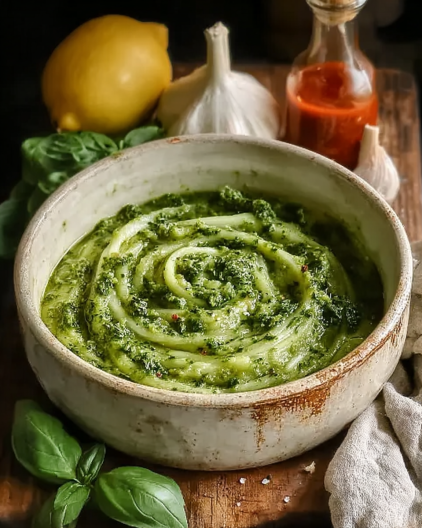
The first time I made basil pesto, I honestly thought I had done something fancy. Like… restaurant fancy. Turns out, it was one of the easiest things I’d ever made.
It started with a huge bunch of fresh basil from the market. You know that smell? Sweet, peppery, almost impossible to ignore. My whole kitchen smelled like summer before I even touched the blender.
I remember standing there, staring at all that basil, thinking, “There is no way I’m letting this wilt in my fridge.” That’s how pesto happened.
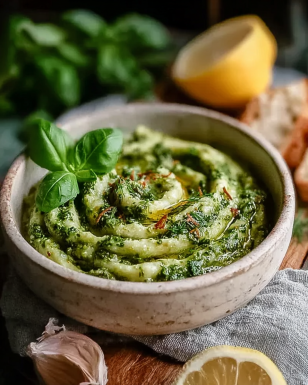
And wow—it changed everything. Pasta tasted brighter. Sandwiches got better. Even plain toast somehow became exciting.
What I love most about this easy homemade basil pesto recipe is how simple it is. No complicated steps. No chef drama. Just fresh ingredients doing their thing.
The olive oil turns silky, the parmesan adds that salty little punch, and the garlic? It wakes everything up beautifully.
My husband now asks for it constantly. He calls it “the green magic sauce,” which is ridiculous… but honestly, he’s not wrong.
If you’ve never made authentic Italian basil pesto sauce at home, this is your sign. It’s fast, fresh, and so much better than store-bought.
Quick Recipe Resume
Fresh basil = instant flavor.
Takes only 10 minutes.
Better than jarred pesto. Seriously.
Perfect for pasta, pizza, sandwiches, and grilled chicken.
Freezer-friendly for meal prep.
Naturally low carb and gluten-free.
Easy to customize for your taste.
One bite and you’ll never go back.
Why This Basil Pesto Recipe Is The Only One You’ll Ever Need
Cuisine: Italian
This recipe became a family staple by complete accident. One Sunday, I made too much pasta—classic me—and needed something fast to save dinner. I threw together basil, garlic, olive oil, parmesan, and hoped for the best.
My husband took one bite and said, “Okay… this needs to happen every week.”
Now it does.
Sometimes I add it to roasted vegetables, sometimes over grilled chicken, and sometimes—no shame here—I eat it straight from the spoon while deciding dinner. It’s one of those recipes that quietly becomes part of your life.
That’s what makes the best homemade pesto for pasta so special. It’s simple, but it makes everything feel intentional.
What You Really Need to Make This Amazing Basil Pesto Recipe (Simplified)
- 2 cups fresh basil leaves
- 1/3 cup pine nuts
- 2 garlic cloves
- 1/2 cup grated parmesan cheese
- 1/2 cup extra virgin olive oil
- 1 tablespoon lemon juice
- 1/2 teaspoon salt
- 1/4 teaspoon black pepper
How to Master the Perfect Basil Pesto Recipe (My Secret Method)
Start by lightly toasting the pine nuts for a few minutes. Don’t skip this—it brings out that rich, nutty flavor that makes pesto taste incredible.
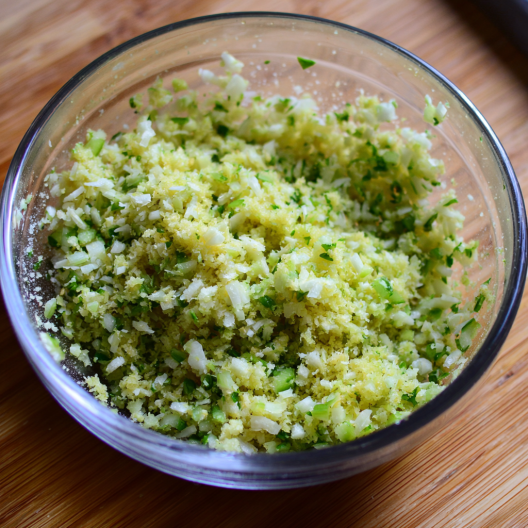
Add basil, garlic, pine nuts, and parmesan to your food processor. Pulse a few times until everything looks chopped and fragrant.
Now slowly drizzle in the olive oil while blending. This is where the magic happens. It turns from chopped herbs into that creamy, glossy pesto texture everyone loves.
Add lemon juice, salt, and pepper. Taste it. Adjust it. Sometimes I add extra parmesan because… well, cheese.
Toss immediately with warm pasta, spread on sandwiches, or save it in a jar for later. Just press a thin layer of olive oil on top to keep it fresh.
Chef’s Notes and Tips For A Flawless Basil Pesto Recipe
Always use fresh basil—really fresh. If the leaves are dark or wilted, the flavor changes fast. Bright green leaves give you that vibrant, authentic Italian basil pesto sauce taste.
Also, don’t over-blend. You want smooth, but not baby food smooth. A little texture makes homemade pesto feel richer and more rustic.
If your pesto tastes slightly bitter, it’s usually too much garlic or over-processed basil. A little lemon juice helps balance everything beautifully.
And please—use good olive oil. Since there are so few ingredients, every single one matters.
Get Creative! Easy Substitutions and Fun Variations
No pine nuts? Walnuts, almonds, or even cashews work beautifully in this fresh basil pesto recipe with pine nuts alternative.
No parmesan? Pecorino adds a sharper, saltier flavor that’s honestly amazing.
Want it creamy? Add a spoon of ricotta.
Love heat? Toss in red pepper flakes.
You can also use this pesto as pizza sauce, salad dressing base, or swirl it into soups. It’s surprisingly versatile.
Lighten It Up! Simple Swaps for a Healthier Basil Pesto Recipe
For a lighter version, reduce the parmesan slightly and add a bit more lemon juice for brightness.
You can also use walnuts instead of pine nuts for a more budget-friendly healthy basil pesto recipe.
For dairy-free pesto, nutritional yeast works surprisingly well and still gives that savory depth.
And if you’re watching calories, use pesto as a finishing sauce instead of drowning the whole dish—it still delivers huge flavor.
Closing
And there you have it—fresh, vibrant, and ridiculously easy basil pesto that tastes like something from your favorite little Italian café.
Try it once, and honestly, store-bought just won’t hit the same.
Don’t forget to let us know how your dish turns out, and definitely check out some of our other Recipes—you might just find your next kitchen obsession.
Are You Curious About Anything Else? Take a Look at the Most Frequently Asked Questions We Get About This Recipe
1. How long does homemade basil pesto last?
Homemade pesto usually lasts about 5 to 7 days in the fridge when stored properly in an airtight jar. Adding a thin layer of olive oil on top helps preserve freshness and color.
For longer storage, freeze it in ice cube trays. This makes meal prep so easy because you can grab just what you need for pasta, sandwiches, or quick dinners.
2. Can I make basil pesto without pine nuts?
Absolutely. Walnuts, almonds, pistachios, and cashews all work well in an easy homemade basil pesto recipe.
Traditional pesto uses pine nuts, but honestly, substitutions are common and often more affordable. The flavor changes slightly, but it still tastes amazing.
3. Why does my pesto turn brown?
Oxidation usually causes browning. Basil reacts quickly to air and heat.
Using fresh basil, blending gently, and adding lemon juice helps keep that bright green color. Storing with olive oil on top also helps protect it.
4. Is basil pesto healthy?
Yes—especially homemade versions. You control the oil, cheese, and salt, which makes it a great quick healthy basil pesto recipe option.
It contains healthy fats, fresh herbs, and real ingredients, making it much better than many store-bought jars full of preservatives.
5. Can I freeze homemade pesto?
Yes, and I highly recommend it.
Freeze it in small portions like ice cube trays. Once frozen, transfer cubes to freezer bags. It keeps beautifully for up to 3 months.
6. What pasta works best with pesto?
Short pasta like penne, fusilli, and farfalle hold pesto beautifully, but spaghetti works too.
The best homemade pesto for pasta usually pairs with shapes that catch the sauce in every bite.
7. Can I use spinach instead of basil?
Yes, especially if basil is expensive or unavailable.
Spinach creates a milder flavor, and many people combine spinach and basil together for balance rather than replacing basil completely.
8. Should pesto be cooked or added fresh?
Usually added fresh.
Toss pesto with hot pasta after cooking, not during. High heat can dull the fresh basil flavor, and the sauce tastes brightest when added at the end.
Basil Pesto Recipe: An Amazing Ultimate Creation
4
servings30
minutes40
minutes300
kcalIngredients
2 cups fresh basil leaves
1/3 cup pine nuts
2 garlic cloves
1/2 cup grated parmesan cheese
1/2 cup extra virgin olive oil
1 tablespoon lemon juice
1/2 teaspoon salt
1/4 teaspoon black pepper
Directions
- Start by lightly toasting the pine nuts for a few minutes. Don’t skip this—it brings out that rich, nutty flavor that makes pesto taste incredible.
- Add basil, garlic, pine nuts, and parmesan to your food processor. Pulse a few times until everything looks chopped and fragrant.
- Now slowly drizzle in the olive oil while blending. This is where the magic happens. It turns from chopped herbs into that creamy, glossy pesto texture everyone loves.
- Add lemon juice, salt, and pepper. Taste it. Adjust it. Sometimes I add extra parmesan because… well, cheese.
- Toss immediately with warm pasta, spread on sandwiches, or save it in a jar for later. Just press a thin layer of olive oil on top to keep it fresh.
