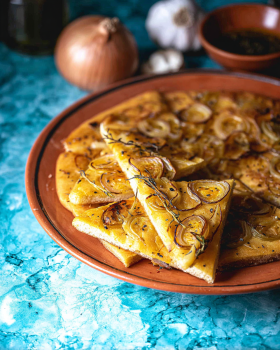
I still remember the first time I smelled farinata baking. It wasn’t in Italy, surprisingly—it was in a tiny kitchen with the window cracked open, olive oil warming in a pan, and that faint, nutty aroma slowly creeping into the room.
There’s something oddly grounding about chickpea flour. Maybe it’s the simplicity. Maybe it’s how forgiving it is. Or maybe it’s the way it transforms into something so unexpectedly delicious.
Farinata isn’t flashy. It doesn’t try to impress you with layers or complicated techniques. It just shows up—crispy edges, soft center, golden surface kissed with olive oil.
And honestly? That’s kind of why I fell in love with it.
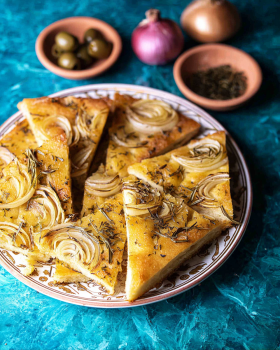
The first bite is always the moment. Slight crunch. Then that creamy, almost custardy middle. A little salt. Maybe a hint of rosemary. It’s rustic, but in the best possible way.
I’ve made this recipe on busy weeknights, lazy Sundays, and even once when I had almost nothing in the pantry. Chickpea flour, water, olive oil—that’s it.
It feels like something passed down, even if it wasn’t. Like a quiet tradition waiting to be discovered.
And once you try it… you’ll get it.
Recipe Resume (Why You Need This Now)
It’s ridiculously simple.
Only a handful of ingredients.
Naturally gluten-free—no swaps needed.
Crispy outside, creamy inside.
Perfect for snacks, sides, or light meals.
Works in a regular oven—no fancy tools.
Budget-friendly and pantry-based.
Tastes like something from a seaside Italian bakery.
Why This Farinata Is The Only One You’ll Ever Need
The first time I made this for friends, I didn’t tell them what it was. I just slid the pan onto the table, slightly overbrowned on one side (oops), and cut it into uneven slices.
Someone said, “Is this… pizza?” Another guessed omelet.
Then silence. That good kind of silence where people are too busy eating.
My brother-in-law—who usually critiques everything—just nodded and reached for another piece. That’s when I knew this recipe was staying.
What makes it special isn’t perfection. It’s how forgiving it is. A little more crisp here, a little softer there—it still works.
Cuisine: Italian (Ligurian)
What You Really Need to Make This Amazing Farinata (Simplified)
- 1 cup chickpea flour
- 1½ cups water
- 3 tablespoons olive oil (plus extra for the pan)
- ¾ teaspoon salt
- Fresh rosemary (optional but highly recommended)
- Freshly ground black pepper
How to Master the Perfect Farinata (My Secret Method)
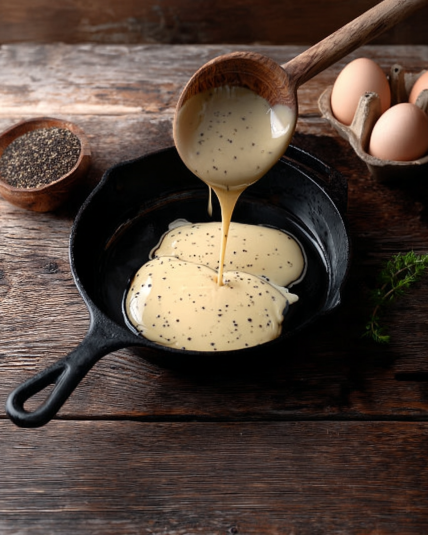
Start by whisking your chickpea flour and water together in a bowl. Don’t rush this part—take a minute to smooth out any lumps. It should look like a thin pancake batter.
Now here’s the thing most people skip: let it rest. At least 30 minutes. If you’ve got time, go for an hour. This is where the magic starts. The flour hydrates, and the texture becomes silky.
While that’s happening, preheat your oven as hot as it’ll reasonably go—around 220°C. Place a cast iron skillet inside with a generous glug of olive oil. You want that pan hot. Like, really hot.
When the batter is ready, skim off any foam on top (not essential, but I like a smoother finish). Stir in salt and a bit more olive oil.
Carefully remove the hot pan—this part always feels dramatic—and pour the batter in. It should sizzle lightly.
Sprinkle rosemary and black pepper over the top.
Back into the oven it goes. Bake until the edges crisp up and the top turns golden with a few darker spots—about 20–25 minutes.
Let it cool just slightly before slicing. Or don’t. I never do.
Chef’s Notes and Tips For A Flawless Farinata
The biggest mistake? Not letting the batter rest. It might seem like a small step, but it’s the difference between a gritty texture and that smooth, almost creamy bite. Even 30 minutes helps more than you’d think.
Also, don’t be shy with the olive oil. This isn’t the time to hold back. That oil is what gives you those crispy, lacy edges that make farinata so addictive. A dry pan will leave you disappointed—and slightly annoyed.
Get Creative! Easy Substitutions and Fun Variations
No rosemary? Try thinly sliced onions or even a sprinkle of chili flakes. Some versions in Italy use caramelized onions, and honestly, it’s incredible.
You can also experiment with toppings after baking—think arugula, shaved parmesan, or even a squeeze of lemon. It turns into something closer to a flatbread.
And if you don’t have a cast iron pan, use any oven-safe dish. Just make sure it’s well-oiled and preheated.
Lighten It Up! Simple Swaps for a Healthier Farinata
Good news—this crispy chickpea pancake recipe is already naturally gluten-free and plant-based.
If you want to reduce calories, you can slightly cut back on the oil—but keep enough to coat the pan well. You’ll lose a bit of crispiness, but it’ll still taste great.
For added nutrition, try mixing in finely chopped spinach or herbs. It adds color, texture, and a little boost without complicating things.
Closing
And there you have it. Simple ingredients. Big flavor. Minimal effort.
Give it a try, tweak it your way, and don’t overthink it.
And hey—when you make it, let me know how it turns out. I’m always curious.
Are You Curious About Anything Else? Take a Look at the Most Frequently Asked Questions We Get About This Recipe:
1. What is authentic Italian farinata and how is it traditionally made?
Authentic Italian farinata is a traditional Ligurian dish made from chickpea flour, water, olive oil, and salt. It dates back centuries and is often baked in wood-fired ovens, which give it that signature crisp top and slightly smoky flavor. The simplicity of ingredients is what defines it—there’s no need for eggs, dairy, or yeast.
When making an authentic Italian farinata recipe at home, the key lies in technique rather than ingredients. Resting the batter, using a hot pan, and generous olive oil all replicate that traditional texture. While modern ovens differ from wood-fired ones, the results can still be incredibly close when done right.
2. Why is my farinata not crispy on the edges?
If your farinata lacks crispiness, it usually comes down to heat and oil. A properly preheated pan is essential. Without that initial sizzle when the batter hits the pan, you won’t get those golden edges.
Also, don’t skimp on olive oil. It creates that fried-like crust that defines a great crispy chickpea pancake recipe gluten-free. Think of it less as an ingredient and more as part of the cooking method.
3. Can I make farinata without a cast iron pan?
Yes, absolutely. While cast iron is ideal for heat retention, any oven-safe pan can work. The most important factor is preheating the pan with oil before adding the batter.
If you’re trying an easy Ligurian chickpea flatbread recipe without cast iron, just ensure your alternative pan is sturdy and well-oiled. The texture might vary slightly, but the flavor will still shine.
4. How long should I let the batter rest?
At minimum, 30 minutes. Ideally, 1–2 hours. This resting time allows the chickpea flour to fully hydrate, resulting in a smoother, more cohesive texture.
Skipping this step can lead to a grainy farinata, which takes away from that signature creamy interior found in traditional farinata with olive oil and rosemary.
5. Is farinata healthy?
Yes, it’s naturally gluten-free, high in plant-based protein, and relatively low in processed ingredients. Chickpea flour is rich in fiber and nutrients, making it a wholesome choice.
When prepared with quality olive oil and simple toppings, it becomes a balanced option for snacks or light meals. It’s one of those rare recipes that feels indulgent but is actually quite nourishing.
6. Can I store and reheat farinata?
Farinata is best eaten fresh, but you can store leftovers in the fridge for up to 2 days. Reheat in the oven or a skillet to bring back some crispiness.
Microwaving works in a pinch, but you’ll lose that texture. For best results, always reheat using dry heat to maintain the integrity of your how to make farinata in cast iron pan technique.
Farinata (Italian Chickpea Pancake)
4
servings30
minutes40
minutes300
kcalIngredients
1 cup chickpea flour
1 ½ cups water
3 tablespoons olive oil (plus extra for the pan)
¾ teaspoon salt
Fresh rosemary (optional but highly recommended)
Freshly ground black pepper
Directions
- Start by whisking your chickpea flour and water together in a bowl. Don’t rush this part—take a minute to smooth out any lumps. It should look like a thin pancake batter.
- Now here’s the thing most people skip: let it rest. At least 30 minutes. If you’ve got time, go for an hour. This is where the magic starts. The flour hydrates, and the texture becomes silky.
- While that’s happening, preheat your oven as hot as it’ll reasonably go—around 220°C. Place a cast iron skillet inside with a generous glug of olive oil. You want that pan hot. Like, really hot.
- When the batter is ready, skim off any foam on top (not essential, but I like a smoother finish). Stir in salt and a bit more olive oil.
- Carefully remove the hot pan—this part always feels dramatic—and pour the batter in. It should sizzle lightly.
- Sprinkle rosemary and black pepper over the top.
- Back into the oven it goes. Bake until the edges crisp up and the top turns golden with a few darker spots—about 20–25 minutes.
- Let it cool just slightly before slicing. Or don’t. I never do.
