
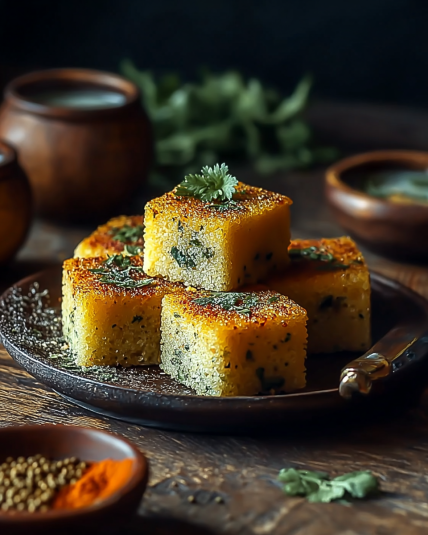
There are days when I crave something light but still comforting.
Not greasy. Not heavy. Just warm, soft, and satisfying.
That’s how this colorful rava dhokla came into my life.
One afternoon, with random veggies sitting in the fridge and a half cup of yogurt begging to be used, I decided to experiment.
The batter came together quickly, and as it steamed, the whole kitchen filled with that cozy, slightly tangy aroma I instantly loved.
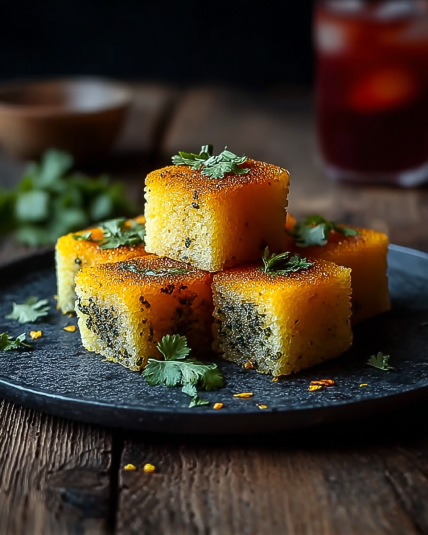
When I lifted the lid and saw those fluffy golden layers speckled with bright veggies, I knew I had found something special.
I tasted one warm square — soft, airy, and gently spiced — and honestly? It disappeared in seconds.
Now it’s my go-to healthy snack whenever I want something comforting without guilt.
Recipe Resume — Why You’ll Love This One Fast
Ready in under 30 minutes
No fermentation required
Steamed, not fried
Packed with colorful veggies
Soft and fluffy every time
Kid-friendly
Perfect for breakfast or snacks
Meal-prep friendly
Why This Colorful Rava Dhokla Is The Only One You’ll Ever Need
Cuisine: Indian (Gujarati-Inspired)
The first time I made this for family, I wasn’t sure anyone would even notice it on the table.
But five minutes later, half the tray was gone.
My cousin kept asking, “Did you really make this at home?”
Now every gathering somehow turns into a rava dhokla request.
It’s become that recipe — the one everyone remembers and asks for again.
What You Really Need to Make This Amazing Rava Dhokla (Simplified)
- Rava (semolina/suji)
- Yogurt
- Water
- Grated carrots
- Chopped bell peppers
- Green peas or corn
- Ginger paste
- Green chili (optional)
- Salt
- Fruit salt or baking soda + lemon juice
- Oil
- Mustard seeds
- Curry leaves
- Fresh coriander
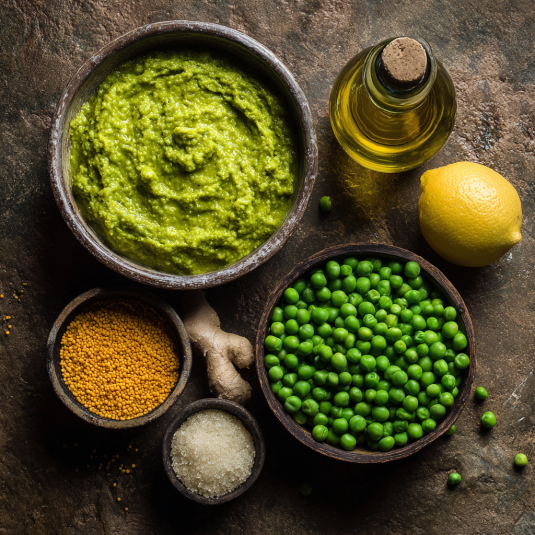
How to Master the Perfect Rava Dhokla (My Secret Method)
Start by whisking rava, yogurt, and water until smooth — think thick pancake batter.
Stir in ginger, salt, and all those bright veggies.
Let it rest for about 10 minutes while you prep your steamer.
Right before steaming, gently mix in fruit salt with a spoon of water — the batter will puff like magic.
Pour it into a greased pan and steam until the top feels springy and a toothpick comes out clean.
Heat oil, crackle mustard seeds, toss in curry leaves, and pour that fragrant tempering right over the hot dhokla.
Slice into soft squares and sprinkle with coriander.
Pure comfort.
Chef’s Notes and Tips For A Flawless Rava Dhokla
The secret to soft and fluffy suji dhokla without fermentation is timing — always steam immediately after adding the rising agent.
Use medium heat so it cooks evenly without drying out.
If the batter feels too thick, add a splash of water — it should pour easily but not be runny.
Get Creative! Easy Substitutions and Fun Variations
Use oats rava for extra fiber
Add spinach puree for green dhokla
Mix sweet corn for crunch
Top with sesame seeds
Add grated paneer for protein boost
Lighten It Up! Simple Swaps for a Healthier Rava Dhokla
Use low-fat yogurt
Increase veggies and reduce rava
Try millet or quinoa rava
Use minimal oil in tempering
Steam in portion molds
And There You Have It!
Soft, colorful, and comforting rava dhokla that turns healthy eating into something exciting.
Make it once — and it’ll become a regular in your kitchen too.
Don’t forget to share how yours turns out and check out more wholesome recipes!
Are You Curious About Anything Else? Take a Look at the Most Frequently Asked Questions We Get About This Recipe:
1. Can I make instant colorful rava dhokla for healthy snacking without fruit salt?
Yes, and it turns out beautifully when done right.
If you don’t have fruit salt, combine baking soda with fresh lemon juice just before steaming. The acid activates the soda and creates those fluffy air pockets that make dhokla light and soft.
The key is speed — once mixed, pour and steam immediately so the batter doesn’t lose its rise.
2. Why does my soft and fluffy suji dhokla sometimes become dense?
Dense dhokla usually happens when the batter sits too long after adding the rising agent or when it’s overmixed.
Gentle folding keeps the air trapped inside. Also, steaming on very high heat can toughen the texture instead of cooking it evenly.
Medium heat and quick steaming after activation make all the difference.
3. Is this quick steamed rava dhokla breakfast snack actually healthy?
Yes — steaming uses almost no oil and keeps calories low.
Rava gives energy, yogurt adds protein and gut-friendly probiotics, and vegetables bring fiber and vitamins.
Together, it’s a balanced, light meal perfect for daily eating without heaviness.
4. Can I prep vegetable rava dhokla recipe step by step ahead of time?
You can mix the batter (minus rising agent) and refrigerate it for several hours.
When ready to cook, bring it to room temperature, stir gently, then add the fruit salt and steam immediately.
This makes it perfect for busy mornings or party planning.
5. Which vegetables work best in colorful rava dhokla?
Carrots, bell peppers, peas, corn, and spinach work beautifully.
They hold their shape during steaming and add natural sweetness and texture.
Avoid watery vegetables like tomatoes, which can make the batter soggy.
6. How can I tell when rava dhokla is fully cooked?
Insert a toothpick in the center — it should come out clean and dry.
The surface should feel soft but spring back when lightly pressed.
Usually 12–15 minutes of steaming does the trick.
7. Is healthy Indian rava dhokla at home good for kids?
Absolutely.
It’s soft, easy to chew, non-greasy, and naturally mild.
Skip chilies and add sweet corn or grated cheese for flavors kids love.
8. Why does dhokla sometimes taste bitter?
Bitterness comes from using too much baking soda or fruit salt.
Always measure carefully and balance with lemon juice if needed.
Perfect dhokla should taste lightly tangy and fluffy — never sharp or bitter.
Delicious Rava Dhokla: A Colorful Twist on Healthy Snacking
4
servings30
minutes40
minutes300
kcalIngredients
Rava (semolina/suji)
Yogurt
Water
Grated carrots
Chopped bell peppers
Green peas or corn
Ginger paste
Green chili (optional)
Salt
Fruit salt or baking soda + lemon juice
Oil
Mustard seeds
Curry leaves
Fresh coriander
Directions
- Start by whisking rava, yogurt, and water until smooth — think thick pancake batter.
- Stir in ginger, salt, and all those bright veggies.
- Let it rest for about 10 minutes while you prep your steamer.
- Right before steaming, gently mix in fruit salt with a spoon of water — the batter will puff like magic.
- Pour it into a greased pan and steam until the top feels springy and a toothpick comes out clean.
- Heat oil, crackle mustard seeds, toss in curry leaves, and pour that fragrant tempering right over the hot dhokla.
- Slice into soft squares and sprinkle with coriander.
- Pure comfort.
