
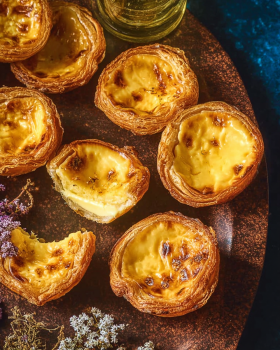
The first time I tasted a real pastel de nata, it stopped me mid-sentence. I remember standing there, pastry flakes everywhere, wondering how something so small could feel so complete.
It wasn’t just sweet. It was warm. Creamy. Gently caramelized on top like it had just kissed a flame. The pastry shattered when I bit into it, and the custard—oh—that custard was silky without being heavy.
I went home thinking about it. A lot. I replayed the texture, the flavor, the way it made me slow down without trying.
When I finally decided to try making homemade pastéis de nata, I was nervous. Custard can be temperamental. Puff pastry has opinions. But curiosity won.
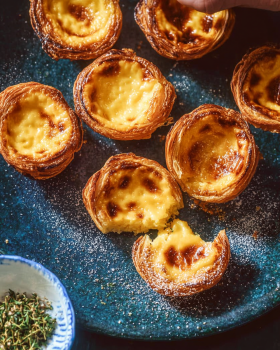
The kitchen smelled like vanilla and lemon peel, and suddenly it felt like a quiet afternoon somewhere sunlit and tiled.
The first batch wasn’t perfect. The second was better. By the third, I knew—this recipe was staying.
These Portuguese egg tarts aren’t rushed food. They’re patient food. And once you make them, you’ll understand why people line up for them.
Recipe Resume (Why You’ll Love These)
- Ultra-flaky puff pastry
- Creamy, lightly sweet custard
- Caramelized tops
- Bakery-quality at home
- Surprisingly approachable
- Perfect with coffee
- Crowd-stopping dessert
- Authentic flavor
Why This Portuguese Egg Tarts Recipe Is The Only One You’ll Ever Need
Cuisine: Portuguese
I’ve tested versions that were too sweet, too eggy, or oddly thick. This one finally clicked after a family brunch where they vanished faster than the coffee.
Someone asked where I bought them. Someone else quietly took a second without asking. That’s always the sign.
This authentic Portuguese egg tarts recipe balances richness with restraint. The custard stays soft. The pastry stays crisp. And the tops blister just enough to look beautifully imperfect—like they should.
What You Really Need to Make This Amazing Portuguese Egg Tarts Recipe (Simplified)
- Puff pastry (all-butter, if possible)
- Whole milk
- Heavy cream
- Granulated sugar
- Egg yolks
- Cornstarch
- Lemon peel
- Vanilla extract
- Cinnamon (optional, for dusting)
Simple ingredients. Serious payoff.
How to Master the Perfect Pastéis de Nata (My Secret Method)
Start by rolling the puff pastry tightly into a log, then slice it into discs. Press each one into your muffin tin, pushing the pastry up the sides until thin. This step feels fussy—but trust me, it’s where the magic starts.
For the custard, warm the milk, cream, lemon peel, and vanilla gently. Don’t rush it. Let the flavors mingle.
Whisk sugar, cornstarch, and egg yolks separately. Slowly pour the warm milk into the eggs, whisking constantly. This part is quiet and focused. It matters.
Cook the custard just until thickened—not pudding-thick, more like pourable velvet. Fill the shells generously.
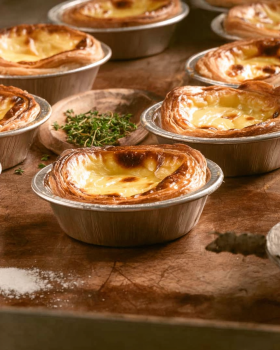
Bake hot. Very hot. You want blistered tops and crisp edges. When they come out, let them rest briefly… then enjoy warm, as intended.
Chef’s Notes and Tips For A Flawless Portuguese Egg Tarts Recipe
High heat is essential. It creates the signature caramelized spots without overcooking the custard.
Also—don’t overmix once the eggs are added. Gentle handling keeps the custard silky instead of scrambled.
Get Creative! Easy Substitutions and Fun Variations
Add a pinch of cinnamon directly to the custard for warmth.
Some people finish with powdered sugar and cinnamon on top—traditional and lovely.
Lighten It Up! Simple Swaps for a Healthier Version
Use reduced-fat milk and slightly less sugar. The flavor stays balanced.
Mini versions help with portion control—same joy, smaller bite.
Closing
And there you have it—crispy, creamy, homemade pastéis de nata that feel like a small triumph every time.
Make them warm. Share them proudly.
And don’t forget to explore more recipes when the craving hits.
Are You Curious About Anything Else? Take a Look at the Most Frequently Asked Questions We Get About This Recipe
1. Are pastéis de nata the same as egg custard tarts?
They’re similar, but not the same. Portuguese egg tarts use puff pastry instead of shortcrust and bake at higher heat.
That heat creates the signature blistered top and creamy interior unique to classic Portuguese custard tarts.
2. Can I make pastéis de nata ahead of time?
Yes, but they’re best the day they’re baked. The pastry is at peak crispness when fresh.
If needed, reheat briefly in a hot oven to revive the texture.
3. Why is my custard runny?
The custard likely didn’t cook long enough before baking, or the oven wasn’t hot enough.
It should thicken slightly on the stove before going into the shells.
4. What puff pastry works best for homemade pastéis de nata?
All-butter puff pastry gives the best flavor and flakiness.
Avoid pastry with shortening—it lacks that delicate shatter.
5. Do I need special molds?
A standard muffin tin works perfectly.
The key is pressing the pastry thin and evenly.
6. Can I freeze Portuguese egg tarts?
They can be frozen after baking, but texture is best fresh.
Reheat from frozen in a very hot oven to restore crispness.
7. Why are traditional pastéis de nata baked so hot?
High heat creates caramelization without overcooking the custard.
That contrast is essential to the authentic experience.
8. What’s the best way to serve Portuguese egg tarts?
Warm, with strong coffee or espresso.
Simple. Perfect. Just as they should be.
Portuguese Egg Tarts (Pastéis de Nata)
4
servings30
minutes40
minutes300
kcalIngredients
Puff pastry (all-butter, if possible)
Whole milk
Heavy cream
Granulated sugar
Egg yolks
Cornstarch
Lemon peel
Vanilla extract
Cinnamon (optional, for dusting)
Directions
- Start by rolling the puff pastry tightly into a log, then slice it into discs. Press each one into your muffin tin, pushing the pastry up the sides until thin. This step feels fussy—but trust me, it’s where the magic starts.
- For the custard, warm the milk, cream, lemon peel, and vanilla gently. Don’t rush it. Let the flavors mingle.
- Whisk sugar, cornstarch, and egg yolks separately. Slowly pour the warm milk into the eggs, whisking constantly. This part is quiet and focused. It matters.
- Cook the custard just until thickened—not pudding-thick, more like pourable velvet. Fill the shells generously.
- Bake hot. Very hot. You want blistered tops and crisp edges. When they come out, let them rest briefly… then enjoy warm, as intended.
