
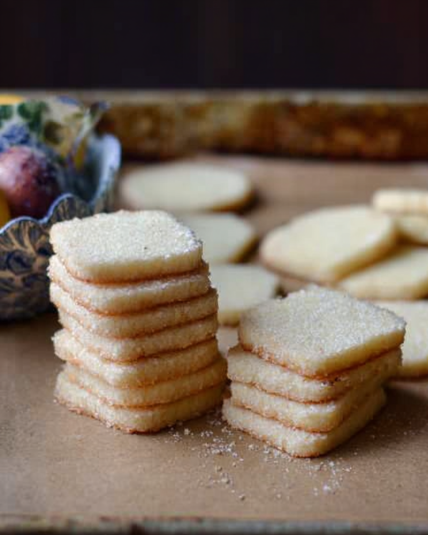
There are some recipes that whisper instead of shout. French sablé cookies are exactly that kind of magic. Quietly confident. Soft-spoken. But once you taste one? Oh, it lingers.
I first made these on a slow afternoon when the house felt oddly quiet, the kind of quiet that makes you want to bake something simple just to hear the hum of the oven. No big plan. No celebration. Just butter, flour, and curiosity.
The moment the butter and sugar came together, that familiar, comforting scent filled the kitchen—rich, warm, and unmistakably French. It reminded me of tiny bakeries tucked into side streets, with windows fogged from fresh pastries.
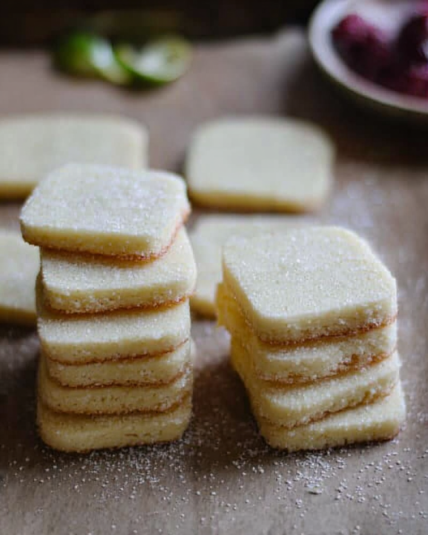
What I love most about this classic French sablé cookies recipe is its honesty. No tricks. No overload of flavors. Just beautiful ingredients doing exactly what they’re supposed to do.
And yes, they’re crumbly. Delicately sandy. That’s where the name sablé comes from, after all. Each bite melts slowly, leaving behind buttery sweetness and a soft sigh of happiness.
I’ve baked them for guests, wrapped them as gifts, and—let’s be real—hidden a few for myself. They always disappear faster than expected.
If you’ve ever wanted to bake something that feels elegant without being fussy, this is it.
So grab your butter. Let’s make something quietly wonderful together.
Recipe Resume – Why You’ll Love These Cookies
Shortbread’s classy French cousin.
Rich, buttery flavor without being heavy.
Perfect with tea, coffee, or midnight snacking.
No mixer required (but you can use one).
Freezer-friendly dough for easy planning.
Elegant enough for guests, simple enough for weekdays.
Crisp edges, tender crumb, pure comfort.
Once baked, forever remembered.
Why This French Sablé Cookies Recipe Is The Only One You’ll Ever Need
Cuisine: French
The first time I served these, my family thought I’d bought them from a bakery. My husband actually asked, “Which shop did you get these from?”—and I won’t lie, I let that moment stretch a little before answering.
Since then, this buttery French sablé cookies from scratch recipe has become my quiet flex. Birthdays, holidays, last-minute guests—it never fails. The dough is forgiving, the flavor is timeless, and every batch feels like a small win.
What You Really Need to Make This Amazing French Sablé Cookies (Simplified)
- Unsalted butter (soft, good-quality matters here)
- Granulated sugar
- Egg yolk
- All-purpose flour
- Vanilla extract
- Fine salt
That’s it. Simple, honest ingredients.

How to Master the Perfect French Sablé Cookies (My Secret Method)
Start by creaming your butter and sugar until it looks pale and fluffy, like it’s already excited about becoming cookies. This step sets the tone—don’t rush it.
Next, stir in the egg yolk and vanilla. The dough will look silky and rich, almost custardy. That’s exactly what you want.
Gently fold in the flour and salt. No aggressive mixing here—think calm, patient movements. When the dough just comes together, stop. Overworking is the enemy of tenderness.
Shape the dough into a log, wrap it snugly, and let it chill. This is where the magic happens. Chilling firms the butter and locks in that signature sablé texture.
Once chilled, slice into neat rounds, sprinkle lightly with sugar if you’re feeling fancy, and bake until the edges turn just golden.
Let them cool. I know it’s hard. But they’re worth the wait.
Chef’s Notes and Tips For A Flawless French Sablé Cookies Recipe
Butter quality matters more here than almost any other cookie. If you can, use European-style butter—it has a higher fat content and gives these traditional French butter cookies their unmistakable richness.
Also, don’t overbake. Sablé cookies should look slightly underdone in the center when you pull them out. They firm up as they cool, keeping that tender, melt-in-your-mouth texture intact.
Get Creative! Easy Substitutions and Fun Variations
Swap vanilla for lemon zest for a bright twist.
Add a touch of espresso powder for coffee lovers.
Dip half the cookie in dark chocolate for gifting.
Roll the log in coarse sugar before slicing for sparkle and crunch.
These cookies are quiet—but they love a little personality.
Lighten It Up! Simple Swaps for a Healthier French Sablé Cookies Recipe
You can replace half the butter with plant-based butter to slightly reduce saturated fat. Using coconut sugar instead of white sugar adds a deeper flavor and lowers the glycemic impact a bit.
For a gluten-free version, a 1:1 gluten-free baking flour works surprisingly well, keeping that classic sablé crumb with minimal compromise.
Closing – Todd Wilbur Style
And there you have it. A timeless, easy French sablé cookies with butter recipe that feels fancy without trying too hard. Bake them once, and they’ll quietly become part of your life. Don’t forget to tell me how yours turned out—and maybe explore a few more recipes while the oven’s still warm.
Are You Curious About Anything Else? Take a Look at the Most Frequently Asked Questions We Get About This Recipe
What makes French sablé cookies different from shortbread?
French sablé cookies are richer and more delicate than classic shortbread. While both rely heavily on butter, sablés usually include egg yolk, which adds tenderness and a slightly softer bite. This creates that signature sandy, melt-away texture that defines a classic French sablé cookies recipe.
Additionally, sablés are often chilled and sliced, giving them cleaner edges and a more refined look. They’re elegant but approachable—very French in spirit.
Can I make French sablé cookie dough ahead of time?
Absolutely, and it’s one of the best things about this recipe. The dough can be refrigerated for up to three days or frozen for several weeks without losing quality.
This make-ahead flexibility is why many bakers swear by buttery French sablé cookies from scratch for holidays and entertaining—they’re always ready when you are.
Why did my sablé cookies spread too much?
Spreading usually means the butter was too warm or the dough wasn’t chilled long enough. Sablé dough relies on cold butter to maintain its shape during baking.
Chilling isn’t optional here—it’s essential for achieving that classic texture and clean cookie shape associated with traditional French butter cookies.
Should I use salted or unsalted butter?
Unsalted butter is always best because it gives you control over the salt level. Since this recipe is so simple, balance matters. Too much salt can overpower the delicate flavor.
A pinch of fine salt added separately enhances sweetness without stealing the spotlight.
Can I freeze baked French sablé cookies?
Yes, baked cookies freeze beautifully. Once fully cooled, store them in an airtight container with parchment between layers.
When thawed, they retain their texture and flavor, making them perfect for planning ahead or sneaky late-night treats.
What’s the best flour for French sablé cookies?
Standard all-purpose flour works perfectly. You don’t need cake flour or anything fancy.
The key is measuring accurately—too much flour can make the cookies dry instead of tender.
How do I know when sablé cookies are done baking?
Look for lightly golden edges and pale centers. They shouldn’t brown deeply.
Remember, they continue to set as they cool. Pulling them at the right moment ensures that signature sablé crumble.
French Sable Cookies
4
servings30
minutes40
minutes300
kcalIngredients
Unsalted butter (soft, good-quality matters here)
Granulated sugar
Egg yolk
All-purpose flour
Vanilla extract
Fine salt
That’s it. Simple, honest ingredients.
Directions
- Start by creaming your butter and sugar until it looks pale and fluffy, like it’s already excited about becoming cookies. This step sets the tone—don’t rush it.
- Next, stir in the egg yolk and vanilla. The dough will look silky and rich, almost custardy. That’s exactly what you want.
- Gently fold in the flour and salt. No aggressive mixing here—think calm, patient movements. When the dough just comes together, stop. Overworking is the enemy of tenderness.
- Shape the dough into a log, wrap it snugly, and let it chill. This is where the magic happens. Chilling firms the butter and locks in that signature sablé texture.
- Once chilled, slice into neat rounds, sprinkle lightly with sugar if you’re feeling fancy, and bake until the edges turn just golden.
- Let them cool. I know it’s hard. But they’re worth the wait.
