
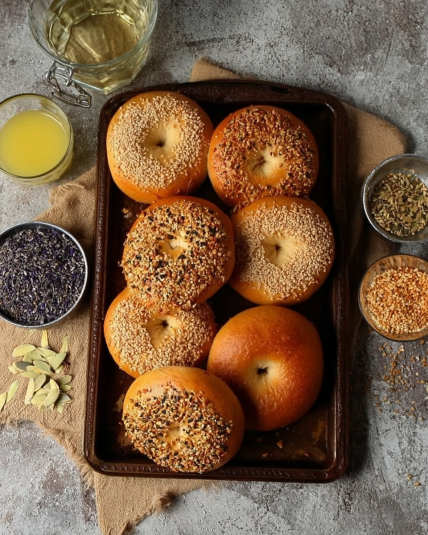
The first time I made homemade bagels, I wasn’t trying to impress anyone. I just woke up craving that classic chewy texture you only get from a real, boiled bagel. And honestly, I was tired of pretending store-bought ones “were fine” when they always tasted a little… tired. So I dusted off the flour canister, tied my hair back, and decided I was finally going to learn how to make the kind of bagels that make your whole kitchen smell like a tiny New York bakery.
There’s something grounding about working with bagel dough. It feels firmer than regular bread—almost alive—as it pushes back just enough under your hands. I remember thinking, Oh wow, this is what bagel dough is supposed to feel like. And then the boiling step? Total magic. The second those rings hit the bubbling water, they puff ever so slightly, giving you that unmistakable chewy finish.
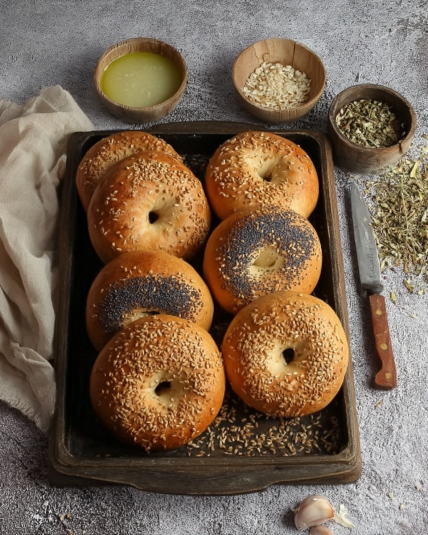
What surprised me most wasn’t how delicious they turned out (though trust me, they were dangerously good), but how simple it really was. Once the dough rose, everything just flowed: shape, boil, bake, inhale. Even my family, who usually rolls their eyes when I get experimental, couldn’t stop tearing them apart while they were still warm.
That’s when I realized homemade bagels weren’t complicated—just misunderstood. And when you smell that mix of toasted crust and soft yeastiness filling your home, you suddenly get why people line up outside bagel shops at 7 a.m.
If you’ve ever wanted bakery-style bagels without the bakery, you’re in the right place.
Recipe Resume – Quick Selling Points
These bagels are chewy, shiny, and bakery-level good.
Requires only simple pantry ingredients—nothing fancy.
No stand mixer needed (your hands are enough).
Boiling step creates that iconic crust and chew.
Customizable toppings: sesame, everything, cinnamon sugar.
Ready to eat in under two hours.
Perfect for meal prep or freezing.
Miles better than store-bought—trust me.
Why This Homemade Bagels Recipe Is the Only One You’ll Ever Need
One Saturday morning, my cousin dropped by unannounced (she’s famous for that), and of all the things I could’ve offered her, I handed her a warm bagel straight from the oven. She took one bite, froze, then whispered, “You made this?” That became our little story. Now she pretends she comes to see me, but I know she’s really here for the bagels.
Cuisine Type: American.
What You Really Need to Make This Amazing Homemade Bagels Recipe (Simplified)
- 3 ½ cups flour
- 1 tbsp sugar
- 2 tsp instant yeast
- 1 ¼ cups warm water
- 1 ½ tsp salt
- For boiling: 1 tbsp honey or sugar
- Optional toppings: sesame, poppy, everything seasoning
How to Master the Perfect Homemade Bagels (My Secret Method)
Start by mixing the warm water, sugar, and instant yeast. Let it sit a minute—just until it looks a little cloudy. Add flour and salt, then bring it together with your hands. The dough will feel firm but smooth, almost like modeling clay.
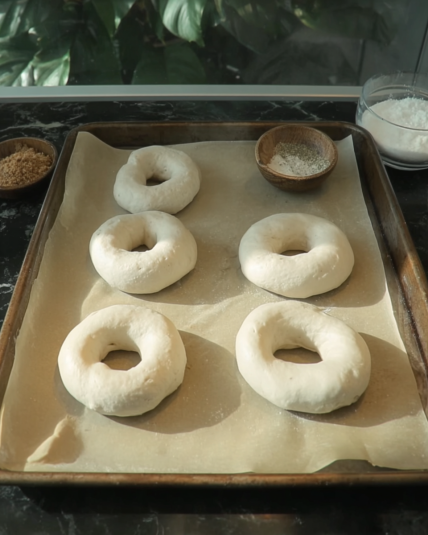
Knead until it pushes back softly when you poke it. Let it rise under a towel until puffy. Divide it, roll each piece into a rope, and loop it into a ring—don’t stress about perfect circles.
Boil water with a spoonful of honey. Drop the bagels in gently; they’ll bob and puff, which is how you get that classic chew. One minute per side is plenty. Transfer to a baking sheet, top them however you like, and bake until glossy and golden.
Let them cool just enough so you don’t scorch your fingers before tearing in.
Chef’s Notes and Tips for a Flawless Batch
Use high-protein flour if you want extra-chewy New York–style texture, but regular all-purpose also works beautifully.
Don’t skip the boiling step—it’s the entire secret behind the iconic crust and shine.
Get Creative! Easy Substitutions and Fun Variations
Swap honey for malt syrup if you want authentic deli-style flavor.
Try blueberry, cinnamon raisin, garlic, cheddar-jalapeño, or chocolate chip add-ins.
Lighten It Up! Simple Swaps for a Healthier Homemade Bagels Recipe
Use half whole-wheat flour to increase fiber.
For low-fat or WW options, make mini bagels and top with light cream cheese.
And there you have it!
Your own batch of warm, chewy bagels—without leaving your kitchen. Don’t forget to let us know how they turn out, and check out more of our recipes while you’re here.
Are You Curious About Anything Else? FAQs
1. Can I make the best homemade bagels without a mixer?
Absolutely. In fact, this foolproof bagel dough recipe was written specifically so beginners can work entirely by hand. Bagel dough is naturally firm and easy to knead, and hand-kneading helps you feel when the gluten develops. Once the dough becomes tight and slightly elastic, you know you’re on the right track. Working by hand also prevents over-mixing—something that can happen quickly in a stand mixer.
Doing everything manually also gives you more control over hydration. Since flour brands differ, your hands will tell you instantly whether to add a spoonful of water or flour. This leads to a more reliable result for new bakers.
2. Why do we boil bagels before baking?
Boiling is what transforms a regular ring of dough into that classic, chewy New York–style bagel. When you drop the dough into simmering water, the heat instantly sets the outer starches, creating a thin, glossy crust. That’s why bagels don’t rise like regular bread in the oven—they’ve already been “sealed.”
The water also activates the sugars or honey, helping the crust brown deeply in the oven. Boiling isn’t optional; it’s the defining step that makes a bagel a bagel.
3. How can I make my homemade bagels extra chewy?
Use bread flour or add 1 tablespoon of vital wheat gluten to the dough. Chewiness comes from strong gluten structure, so the more protein in the flour, the stronger the texture. Also, avoid adding too much water—bagel dough should feel firm, not soft.
Finally, don’t shorten the boil time. That minute in simmering water is what creates the iconic chew.
4. Can I prepare the dough the night before?
Yes! This recipe is perfect for overnight prep. After kneading, let the dough rise for just 20 minutes, then refrigerate it. Slow fermentation creates deeper flavor, making the bagels taste almost bakery-level. The next morning, shape, boil, and bake.
5. Why are my bagels flat instead of puffy?
Flat bagels usually come from under-kneading or overly warm water killing the yeast. Make sure the dough is smooth and elastic before rising. Also check that your yeast is active. A quick fix: let the shaped dough rest 10 minutes before boiling so they can puff slightly.
6. Can I freeze homemade bagels?
Definitely. Freeze them right after cooling and slice them before freezing for easy toasting. They thaw beautifully and keep their chewiness.
7. What toppings work best for beginners?
Sesame, poppy, and everything seasoning are classic and easy. Just press them gently onto the boiled dough so they stick before baking.
8. Can I make gluten-free bagels with this recipe?
You can, but use a high-quality 1:1 gluten-free blend and add a little extra water since GF dough absorbs more. The texture won’t be identical, but boiling still helps mimic that classic bagel exterior.
Homemade Bagels
4
servings30
minutes40
minutes300
kcalIngredients
3 ½ cups flour
1 tbsp sugar
2 tsp instant yeast
1 ¼ cups warm water
1 ½ tsp salt
For boiling: 1 tbsp honey or sugar
Optional toppings: sesame, poppy, everything seasoning
Directions
- Start by mixing the warm water, sugar, and instant yeast. Let it sit a minute—just until it looks a little cloudy. Add flour and salt, then bring it together with your hands. The dough will feel firm but smooth, almost like modeling clay.
- Knead until it pushes back softly when you poke it. Let it rise under a towel until puffy. Divide it, roll each piece into a rope, and loop it into a ring—don’t stress about perfect circles.
- Boil water with a spoonful of honey. Drop the bagels in gently; they’ll bob and puff, which is how you get that classic chew. One minute per side is plenty. Transfer to a baking sheet, top them however you like, and bake until glossy and golden.
- Let them cool just enough so you don’t scorch your fingers before tearing in.
