
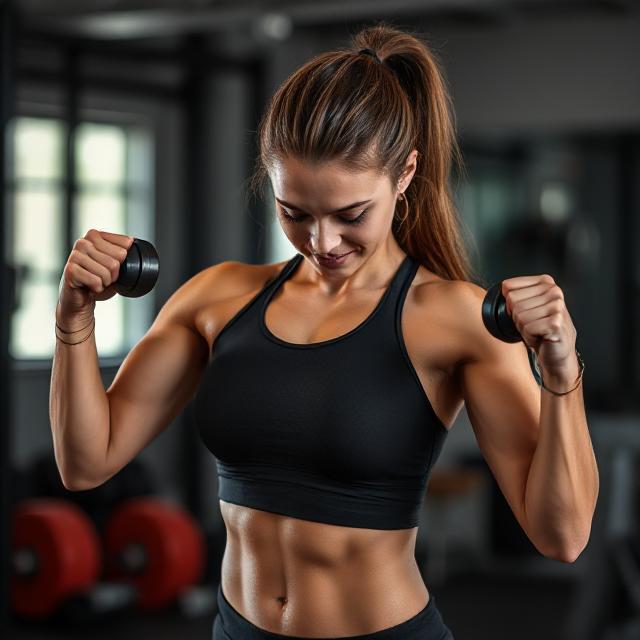
Why Core Work Is the Unsung Hero of Women’s Strength
Walk into almost any gym, and you’ll spot at least one woman focused on her core. Maybe she’s knocking out bicycle crunches, or holding an impressively long plank without flinching. It’s easy to assume she’s chasing flat abs—but core exercises for women are about so much more than that. A strong core creates the stability that supports us through every stage of life—from carrying kids and groceries to aging with confidence and balance.
So, what are the best kinds of core exercises for women? We asked top trainers and physical therapists to break it all down—what works, what doesn’t, and how to build a solid, functional foundation from the inside out.
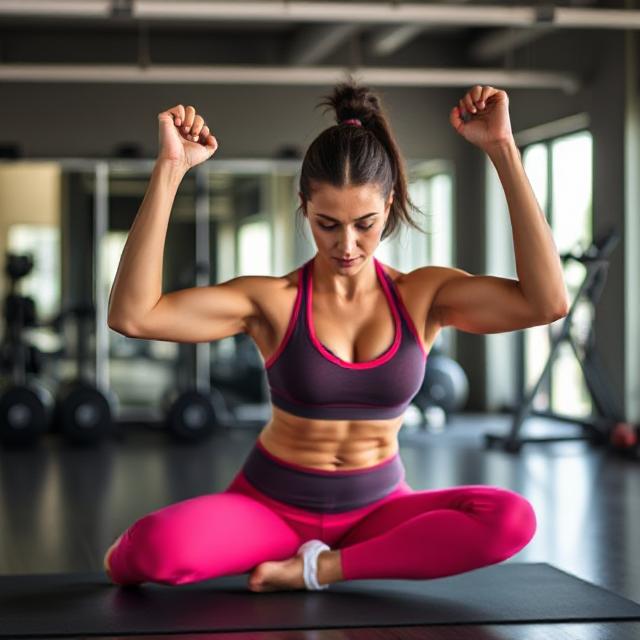
Why Core Strength Matters (Especially for Women)
Everyone benefits from a strong core, but for women, it’s particularly powerful. Your core isn’t just your abs—it’s an entire network of muscles, including the obliques, pelvis, diaphragm, and lower back. Together, they’re responsible for your posture, balance, and even your bladder control.
“When we strengthen the pelvic floor, it’s like reinforcing the foundation of a house,” explains trainer Jenna Willis. That foundation becomes even more important during pregnancy, postpartum, or hormonal changes, when the body naturally becomes more flexible thanks to the hormone relaxin, says physical therapist Sarah Tyndall. Strengthening your core helps counter that added mobility, reducing the risk of pain or injury.
And let’s be real—women are expert multitaskers. We’re often juggling a kid on one hip, a laptop bag on the other, and somehow managing to open the door with our foot. A strong core makes all of that possible without straining your lower back or losing your balance.
The Best Types of Core Exercises for Women
Not all core workouts are created equal. The right approach depends on your body, lifestyle, and goals. Here’s how to build strength safely and effectively, according to the experts.
1. Start With Breathwork
Before you dive into crunches or planks, focus on your breathing. It may sound simple, but mindful breathwork actually activates your core from the inside out.
Tyndall explains: “When you inhale, your obliques lengthen; when you exhale, they draw the ribs down and lift the lower abs.” This deep breathing strengthens your diaphragm and stabilizes your torso—a perfect warm-up before any workout.
Try this:
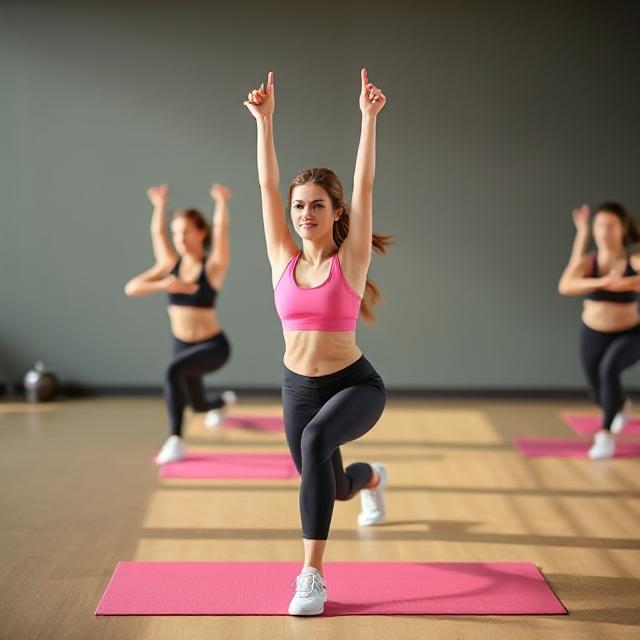
Sit comfortably, hands on your lower ribs.
Inhale and expand your ribcage in every direction—front, back, and sides.
Exhale, drawing your ribs in and tightening your abs.
2. For Beginners: Isometric Holds
If you’re new to core training, start with isometric exercises—positions you hold still, like planks or boat pose. “They build endurance and improve posture,” says Willis.
Trainer Laura Quinn recommends adding a Pilates ball under your shins for an extra challenge. Start with short 10–20 second holds and gradually increase to a minute or longer. Once you’re steady, try adding movement—like knee tucks—to engage even more muscle fibers.
3. For Everyday Life: Anti-Rotational Moves
Whether you’re lifting a heavy grocery bag or wrangling a toddler, your core has to resist twisting forces. That’s where anti-rotational exercises come in—they train your core to stay stable under uneven loads.
Willis suggests the dead bug exercise as a simple place to start. It teaches control, coordination, and balance—everything your spine loves. As you progress, try single-arm carries or the Pallof press for more challenge.
4. For Athletes: Rotational Training
Every time you walk, run, or swing a racket, your core rotates. So, if you’re active, rotational work is key for power and agility.
Tyndall recommends the Pilates bicycle—done slowly and with control. “It’s often rushed at the gym, but when you move deliberately, it becomes one of the best exercises for training your torso to move efficiently,” she says.
5. For Posture, Pregnancy, and Postpartum: Pelvic Floor Focus
Your pelvic floor is the silent hero of your body—it supports your spine, stabilizes your hips, and prevents issues like leakage or pelvic pain. And it deserves attention at every stage of life, not just pregnancy.
6. During Menopause: Lift Heavy
Weight training might not sound like a “core workout,” but when you lift heavy, your core automatically engages to keep you stable.
As estrogen levels dip, strength training becomes even more important. “Building muscle protects your bones and brain,” says Tyndall. “It helps your body manage menopause with fewer symptoms and better long-term health.”
Try starting with loaded squats or deadlifts—just make sure your form is on point before increasing the weight.
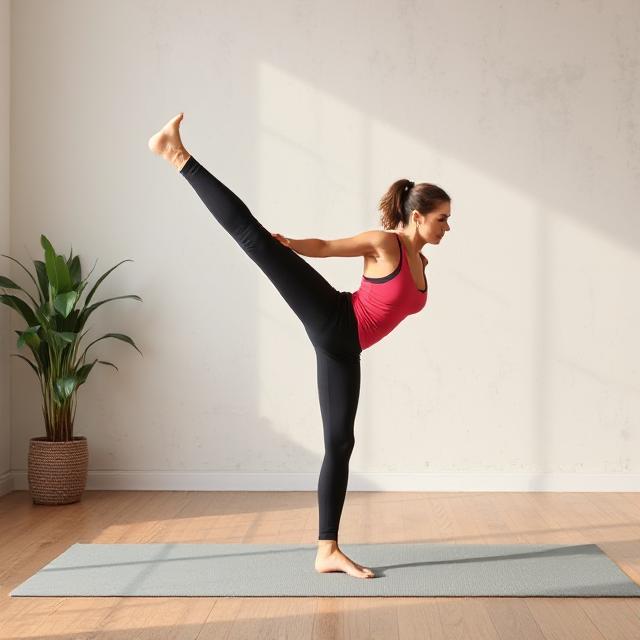
7. Don’t Forget Balance: Flexion and Extension
Classic moves like crunches and sit-ups still have their place, as long as they’re done safely and balanced with extension work (like supermans or backbends) to strengthen your spine.
“Crunches aren’t bad—they’re just one small piece of the puzzle,” says Quinn. “Think of them as dessert, not the main course.”
The Bottom Line
There’s no single “perfect” core exercise. Your core isn’t just about looking toned—it’s about moving, standing, and living better. Try mixing breathwork, isometric holds, anti-rotational moves, and strength training into your weekly routine.
As Tyndall puts it: “A strong core is the base of everything—how you move, how you breathe, and how you feel.”
